
Healthcare
Social and Community Participation: What NDIS Funding Can Cover


Social and community participation is one of the funded supports in an NDIS plan, and its name describes its purpose accurately: it exists so that a participant can take part in the ordinary life of their community, with the support the disability makes necessary. That purpose is narrower than the phrase suggests and wider than many participants realise. This article sets out what the funding is for, how it is asked for, what a goal worth funding looks like, and what to do when the support that was agreed is not the support being delivered.
What the support funds
Participation funding is directed at the assistance a participant needs in order to take part, rather than at the activity itself. The distinction is the one most often misunderstood.
The support covers the help required because of the disability: a worker to accompany and assist the participant at the activity, the preparation involved, and where the plan provides it, the transport needed to get there. The activity’s own costs are the participant’s, in the same way they are anyone else’s: the club membership, the ticket, the class fee and the meal sit with the participant unless another part of the plan covers them. What the funding removes is the disability-related barrier to being there, not the ordinary cost of going.
The activities themselves are broad because the purpose is broad. A social group, a sporting team, a class, a cultural event, volunteering, a regular meet-up with peers: what matters is that the participation is real and that it connects to the participant’s goals.
Participation funding and a worker’s transport time
Two lines that participants and families routinely conflate are worth separating.
The first is the support time itself: the hours a worker spends assisting the participant to take part, which can include travelling with the participant where that is part of the support. This is the funded assistance, and it is what the capacity building budget pays for.
The second is transport: where getting somewhere is itself the barrier, the plan may fund transport separately, and the rules for what sits where are the ones to confirm against the scheme’s own guidance rather than assume. The practical version of the advice is to describe the full trip in the request: where the participant is going, why, what assistance they need to get there and to take part, and what would happen without the support. A request that describes the whole journey is easier to fund than one that describes only the destination.
What a good participation goal looks like
A goal that funds well is specific, personal and observable. “Join the Thursday social group and attend regularly” is a goal; “be more social” is a sentiment. The difference matters at the planning meeting, because the scheme funds supports connected to goals, and a goal that cannot be observed cannot be reviewed.
The other quality of a good goal is that it comes from the participant rather than from a list of available activities. What does the person already enjoy? What did they do before the disability intervened, and what would they like to get back to? Participation that is chosen lasts; participation that is arranged as a program is dropped as soon as the arrangement changes.
How to ask for the funding
The request follows the same shape as every other funded support. It states what the participant wants to do, what currently stops them, what support would remove the barrier, and what the outcome is expected to look like. The evidence is the participant’s own account, and where support coordination is funded, a coordinator’s role includes assembling exactly this kind of request. Where the participant’s assessed need is for intensive assistance in the home rather than activities outside it, what supported independent living covers is the neighbouring explainer.
One practical note: starting small is easier. A request for one weekly activity with a clear purpose is a stronger first request than a broad plan for a bustling social life, and the funded activity can grow as the participant’s confidence does. Where the participant’s living arrangements are also in transition, the surrounding supports have their own explainers: home and living support for the help inside the home, and medium term accommodation for the accommodation question while a longer-term arrangement is prepared.
What participation changes
The benefits are worth stating precisely, because the funding argument rests on them. Participation builds and maintains social connection, which is a health outcome in its own right rather than a pleasant extra. It supports mental wellbeing through routine, purpose and company. It develops skills and confidence that carry into other parts of a plan, including the physical capacity that exercise physiology builds and the daily-living skills that other supports work on. And it strengthens the community around the participant, because a person who is present and contributing is a person the community knows.
For the participant, the practical version is simpler: somewhere to be, people to see, and something to look forward to in the week. That is what the funding buys when it works.
When the agreed support is not being delivered
An agreement bought a specific support: an activity, a frequency, a worker, a purpose. When the reality diverges from that, the response runs in a defined order. Raise the matter with the provider in writing, stating what was agreed and what is happening instead. Keep the record of the agreement and the correspondence. Where the provider does not correct it, the NDIS Quality and Safeguards Commission receives complaints about registered providers, and the participant’s own route to the Commission does not require anyone’s permission. And where the relationship is not working beyond repair, the funding belongs to the participant and can follow them to a different provider, subject to the notice terms in the service agreement.
The reason to act early is that participation funding is reviewed against outcomes. A support that was funded to produce a weekly activity, and produced nothing, will not survive the review, and the participant is the only person who can say what actually happened.
How participation is reviewed
The review looks for evidence that the support is doing what it was funded to do: what the participant attended, how often, what changed, and what the participant and their family observed. Records help, and the simplest record is a note of the activities and a sentence about each. Where progress is slower than expected, the review is also the moment to adjust the goal rather than abandon it, which is easier to do with evidence in hand than with a recollection.
None of the machinery is glamorous. The point of it is the same as the point of the support: a participant taking part in the life around them, with the barrier removed rather than the person replaced.
Sources: NDIS: social and community participation (ndis.gov.au).












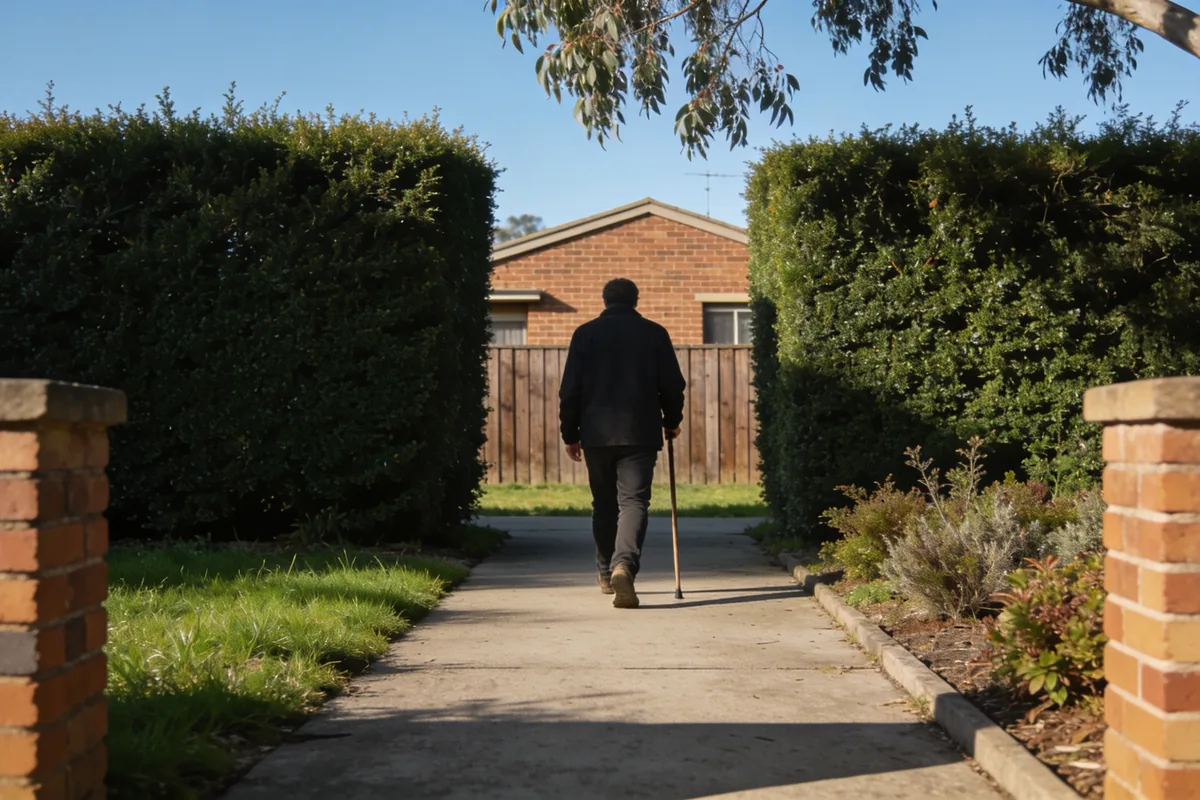
Exercise physiology is the allied health profession that treats exercise as medicine: prescribed, progressed and reviewed like any other therapy. For participants in the National Disability Insurance Scheme, it sits among the capacity building supports, funded where it helps a person build or maintain the physical capacity their goals depend on. This article covers what the profession does, how the funding works, what a first assessment involves, and what to look for in a provider.
What exercise physiology is
An exercise physiologist is a university-qualified allied health professional who uses exercise to improve how a body functions. Accredited practitioners are registered through Exercise and Sports Science Australia, and the accreditation is the credential worth checking. Where a personal trainer designs programmes for people who are well, an exercise physiologist works with people whose condition or disability changes how exercise must be prescribed, and does so within a treatment plan that the rest of the care team can see.
The comparison with physiotherapy is worth a line because the two are often confused. Physiotherapy works on injury, movement and rehabilitation, often with hands-on treatment. Exercise physiology works on capacity and condition management through prescribed exercise, and the two overlap at the edges, which is a reason they are often funded together rather than instead of each other. This article stays with the practical question of starting; the chronic-illness angle is covered in its own article.
How participants access it
The support is requested in the plan, under the capacity building category, and the request connects the exercise physiology to the participant’s goals: building strength for transfers, maintaining mobility, managing a condition that affects daily function, or improving the fitness that community participation requires. The evidence for the request is the same as for other capacity building supports: what the participant needs to do, what the current capacity is, and what the therapy is expected to change.
Who can set the process in motion is broader than many people expect. A general practitioner can refer and prepare a care plan, a specialist or treating team can refer, and a support coordinator can help assemble the request where one is funded. What the plan then allows in terms of providers depends on how the funding is managed: agency-managed plans must generally use registered providers, while self-managed and plan-managed budgets can use providers who are not registered, provided the support itself meets the scheme’s rules.
What a first assessment involves
The first appointment is an assessment, and it establishes both what the participant can currently do and what is safe to prescribe. The physiologist takes a history, including the disability, any other conditions, medications and previous experience with exercise, then measures a baseline: strength, mobility, balance and how the body responds to effort. The measures are chosen for the person, so a participant with limited mobility is assessed on what matters for their situation rather than against a standard gym test.
The participant can prepare for it by bringing the plan and any recent reports, and by being able to say what a good outcome would look like. A goal such as getting in and out of a car without help, or walking to the letterbox and back, gives the assessment something concrete to build towards, and the programme is written from that.
It is worth saying what the assessment is not. It is not a test the participant can fail, and it is not a comparison against a fitness standard; the baseline it establishes is personal, and the only comparison the programme cares about is against that baseline at the next review. A participant who arrives worried about being judged is arriving with the wrong model, and a physiology practice worth its accreditation does not run assessments that way.
How sessions are funded and reviewed
Sessions are drawn against the funding in the plan, and the scheme publishes price limits for the support, so the charges a provider makes should be traceable to the current published arrangements rather than set by the provider alone. That is a fair question to raise before booking, and a provider who answers it plainly is doing the basic thing the scheme expects.
The review runs on the same evidence as the request. Progress against the baseline is recorded, the goals are revisited, and the reports the physiologist writes are what a plan review relies on. A participant who keeps their own note of what has changed since the programme began arrives at the review with something to show, which is more persuasive than a recollection.
What progress looks like
Progress in exercise physiology is measured in function rather than in gym numbers, which is why the baseline assessment matters so much. The first changes are usually the quiet ones: a task completed without stopping, a shorter recovery after effort, a movement that used to require help now done alone. Strength and endurance come with them, and so does a change the participants themselves often name first, which is confidence.
That confidence is part of the treatment, not a side effect of it. A person who has learned that their body tolerates effort is a person more willing to attempt the things a plan is trying to achieve, and the physiological and the psychological gains reinforce each other.
Across ages and abilities
Programmes are adapted rather than standardised. A child and an older adult work on different goals with different equipment, a participant using a wheelchair trains the strength that transfers and propulsion require, and a person managing fatigue learns how to pace rather than push. The constant across all of them is the structure: assessment, prescription, progression and review, with the exercise adjusted as the person changes.
Keeping the programme going
The results of exercise physiology come from consistency rather than intensity, and consistency is a logistics question before it is a motivation question. The sessions that happen are the ones that fit the week: a time that does not collide with work or care responsibilities, a location that can be reached without a difficult trip, and equipment that suits the participant’s capacity on an ordinary day rather than their best one. A programme built around ideal conditions is a programme that stops in the first difficult month.
Support workers, family members and support coordinators can all make a practical difference here, whether by helping with transport, by joining part of a session to continue the routine at home, or by keeping the schedule protected when other commitments compete. Where motivation dips, the useful response is to reduce the session rather than cancel it, because a shorter session maintains both the physical adaptation and the habit, and the review point is the right place to discuss changing the plan rather than abandoning it quietly.
Choosing a provider
The checks that apply to any provider apply here. Where the plan is agency-managed, the provider’s registration with the NDIS Quality and Safeguards Commission can be checked on its public register. The individual practitioner’s accreditation is checked through Exercise and Sports Science Australia. Beyond the paperwork, ask what experience the provider has with the participant’s disability or condition, how programmes are progressed and reviewed, and who delivers the sessions. The four checks before committing to a provider set out the general version of that list, and a provider who welcomes the questions is usually the one worth choosing.
Getting started
The pathway is not complicated. Confirm the referral route, whether that is a general practitioner, a treating team or the plan itself, and establish how the funding is managed so the provider list is clear. Book the assessment, bring the plan, and expect the programme to be written from the baseline rather than from a template. The first goal of the therapy is a person who can do more of what their plan is for, and the way to get there is unglamorous: prescribed exercise, progressed carefully, reviewed honestly.

Choosing a supported independent living provider is a decision about daily life, and it is made at a moment when a family is often tired and short of time. The eight signals below are the ones that separate a provider who will deliver from one who will promise. None of them requires specialist knowledge to apply, and each of them is observable before any agreement is signed. What supported independent living itself covers, and who it is assessed for, is set out separately in the explainer on supported independent living, so this article keeps to the selection itself.
1. Clear and honest communication
A reliable provider explains the support in plain terms, answers questions directly, and follows through on what it says it will do. The test is not the tone of the first meeting; it is whether the answers to specific questions, about rosters, costs and changes, arrive in writing and match what happens. A provider who avoids a question during the selection process will avoid it afterwards.
2. Personalised support plans
The support plan should reflect the participant’s routine, goals and preferences, not the provider’s standard offering. A provider who plans well asks about the person’s day before proposing a roster, documents what was agreed, and treats a change in circumstances as a reason to revisit the plan. Where a provider presents a template and asks the family to fit into it, the plan is marketing rather than planning.
3. Qualified and consistent staff
The people who deliver the support decide the experience, and consistency is the part families notice most. Ask how long support workers typically stay with the provider, how rosters are built, and whether the participant can expect the same workers over time. The staff should be trained for the support being delivered and matched to the participant with some care. High turnover is not an abstraction; it is a routine rebuilt by strangers, repeatedly.
4. Clean, safe and comfortable homes
The property is part of the service. A provider should be willing to show the home, and the inspection should cover the practical points: security, maintained appliances, accessible bathroom facilities where required, working safety features, and shared spaces that a resident would choose to sit in. A provider who is reluctant to arrange a viewing is answering the question in a different way.
Two questions sharpen the viewing. The first is who maintains the property and how repairs are reported, because a home that is pleasant on the day of the tour and slow to fix when the hot water fails is a maintenance arrangement rather than a house. The second is how the household operates day to day: who else lives there, how shared areas are managed, and what the provider does when routines clash. The answers to those questions describe the lived experience of the home more accurately than the furniture.
5. A focus on independence
Supported independent living is support towards independence, not care that replaces it. The signs of the right orientation are practical: help with meal planning and cooking rather than meals done for the person, support with money management, encouragement into community activities, and goals that build capability over time. The question to ask is what the participant will be able to do in a year that they cannot do now, and whether the provider has an answer.
6. Reviews and real references
Feedback from participants and families is the strongest evidence a provider can offer, and it should be specific rather than decorative. Ask for references from current or recent families, and ask those references two questions: whether the provider did what it said, and what happened when something went wrong. A provider who cannot produce a reference, or whose referees speak only in generalities, has told the family something useful.
7. A solid understanding of the scheme, and a registration to check
The provider should be able to explain how the funding works, what the plan covers, and how the supports are drawn against it. Registration with the NDIS Quality and Safeguards Commission can be checked on the Commission’s public register, and where a plan is managed by the agency, supports must generally be delivered by registered providers. Beyond the register, the useful question is whether the provider can answer a funding question without guessing, because the funding rules shape what is possible.
8. Support that is reachable
Support should not be complicated to obtain. The provider should respond within a reasonable time, have a clear process for urgent situations, and keep the communication open rather than routing every question through a queue. A provider with a genuine presence in the area the participant lives in will find the practical requests, an extra shift, a late change, a repair, easier to answer than one operating at a distance. Check both the responsiveness and the coverage before signing.
What belongs in the service agreement
The agreement is the document that decides what happens when something changes, and it should state the supports being delivered, when and by whom, and how the charges relate to the current published price limits. It should also cover the practical matters: the process for changing supports, the cancellation and rescheduling arrangements, the notice required from either side, and the provider’s complaints process. A participant signing an agreement should be able to find each of those in it. Where the document is silent on cancellations or changes, the gap will be filled by the provider’s practice rather than by the participant’s preference.
Raising a concern, and what to do if it is not working out
Concerns are raised in the first instance with the provider, in writing, with the specific facts and the outcome sought. Where that does not resolve the matter, the participant or family can take it to the NDIS Quality and Safeguards Commission, whose role includes receiving complaints about registered providers. Keeping a dated record of what was raised and what was promised serves both paths.
Changing providers is a right, and the funding stays with the participant rather than the provider. The steps are to check the notice period in the agreement, select the new provider, and arrange a handover of records and supports. The exit process is worth understanding before signing, not after, and a service agreement that makes leaving clear is one worth preferring. Where a family is between arrangements in the meantime, medium term accommodation is the support that covers the gap while the next home is prepared.
The first months are the real test
The selection is a prediction; the first months are the evidence. Three things are worth watching, and each of them maps to one of the signals above.
The first is whether the roster is delivered as it was described: the same workers appearing on the days promised, and the participant’s preferences reflected in who arrives. The second is how the provider handles the first unexpected problem, because a missed shift or a supply failure in the first month is a preview of how the next year will run, and the response matters more than the incident. The third is the paperwork: whether reports and records appear when they are due, in the form the plan requires, because that discipline is what keeps the funding defensible at review.
Where something is not as promised, raise it in writing at the time, with the specific facts and the outcome sought. Most issues are resolved at that stage, and the ones that are not have created the record that any later complaint will need. Evaluating a provider is not a one-off exercise; it is a habit that keeps the arrangement honest in both directions.
What the checklist adds up to
The eight signals share a common thread: a reliable provider can be checked, and an unreliable one can only be believed. Registration, written plans, consistent staff, honest references, a clear agreement and a reachable team are all verifiable before the decision is made, and the verification takes a few weeks rather than a few months. Run the checks in that order, and the choice of provider becomes what it should be: a decision made on evidence, in the participant’s interest, with the paperwork to match.
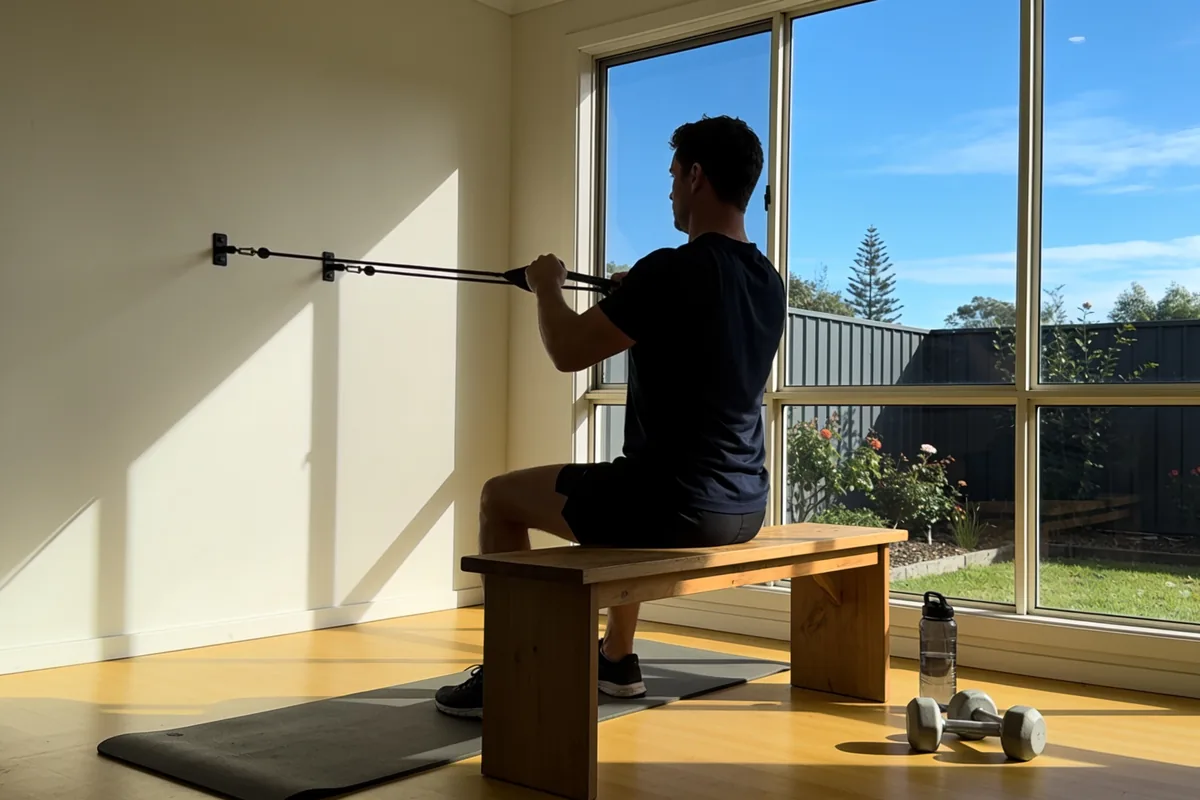
Exercise is not a cure for chronic illness, and no honest answer to the question in the title pretends that it is. What the evidence does support is narrower and more useful: for a range of chronic conditions, structured exercise is part of effective management, and in some cases it changes the trajectory of the condition rather than simply the day-to-day experience of it. The person who delivers that exercise as treatment is an exercise physiologist, and the distinction between that role and a gym trainer is the first thing worth understanding.
What an exercise physiologist is
An exercise physiologist is a university-qualified allied health professional who uses exercise as a therapeutic intervention. Accredited practitioners are registered through Exercise and Sports Science Australia, and the accreditation is the credential to look for, because it distinguishes the profession from the much larger group of people who can coach exercise.
The difference from a personal trainer is not fitness knowledge; it is clinical responsibility. A personal trainer designs programmes for people who are well. An exercise physiologist works with people whose condition changes how exercise must be prescribed: someone managing type 2 diabetes, recovering from a cardiac event, living with chronic pain or navigating a mental health condition. The work is delivered within a treatment plan, communicates with the rest of a person’s care team where needed, and is adjusted as the person’s condition changes. That clinical layer is the service.
How exercise works as treatment
The mechanisms differ with the condition, and the honest summary is that regular physical activity influences several systems at once. It affects how the body handles glucose and blood pressure, it maintains muscle and bone that conditions and their treatments erode, it influences mood and sleep, and it teaches a person that their body can tolerate more than the condition suggests. Where a condition is progressive, exercise can slow some of the decline; where function has been lost, it can rebuild some of it.
That last point is where the careful version of the claim lives. Exercise is not a substitute for medical treatment, and for some conditions the evidence for symptom improvement is stronger than for any change to the disease process itself. What an exercise physiologist can offer is a realistic answer about what is achievable for a specific condition and a specific person, which is more valuable than an encouraging generalisation.
The same principle applies across allied health: a persistent musculoskeletal problem such as plantar fasciitis is managed with load and exercise at the centre of the plan, and for chronic illness the logic is the same with a different target.
Which conditions it is used for
The conditions where exercise as treatment is well established include type 2 diabetes and other metabolic conditions, cardiovascular disease and cardiac rehabilitation, chronic respiratory conditions, chronic pain, some forms of cancer and their treatment recovery, mental health conditions, and a range of neurological and musculoskeletal conditions. Within each of those, the exercise prescription is adapted, which is why a programme designed for one person is not transferable to another with the same diagnosis.
Two examples show how far the programmes diverge. In cardiac rehabilitation, the work is monitored and progressive, with the intensity controlled and the goal being a return to activity the heart tolerates. In chronic pain, the logic runs in the other direction: the programme rebuilds tolerance gradually around a nervous system that is overprotective, and progress is measured in what the person can do rather than in what a monitor shows. The principles are the same in both cases; the constraints and the pacing are entirely different, and that difference is the reason the assessment comes first.
The candid part of this list is the variation. Two people with the same diagnosis can need very different programmes, and the assessment, not the condition name, determines what the programme contains.
How treatment starts
Most pathways begin with a referral. A general practitioner can prepare a care plan that subsidises a limited number of allied health sessions, which is the usual route for a chronic condition managed in general practice. Rehabilitation after a hospital event often continues into an exercise physiology programme. Where a person is an NDIS participant, the support sits in the capacity building part of the plan, and the explainer on NDIS exercise physiology covers that pathway in detail. Private sessions are also available without a referral, booked directly with an exercise physiology practice rather than through a general practitioner.
Whichever route is used, the referral works better when it says what the condition is, what the treating doctor wants changed, and what the person’s goals are. A referral that arrives with those details gives the physiologist a starting point rather than a first conversation to arrange.
What the initial assessment measures
The first appointment is a clinical assessment, not a workout. The physiologist takes a history, including the conditions, the medications and any previous exercise experience, then measures the current baseline: strength, mobility, balance, and how the person’s body responds to effort. Some assessments are formal tests, and others are structured observations, depending on the condition and the person’s capacity. Safety screening runs alongside, because the point of the assessment is to work out what is safe as much as what is possible.
The output is a programme with a purpose. Each element should connect to a goal the person recognises, whether that is climbing stairs without stopping, returning to work, or managing a flare-up better than last time. A programme that cannot say what it is for is a workout with a medical invoice.
How a programme progresses
Programmes start below the person’s capacity and progress in measured steps, which is a deliberate design rather than a slow start. The body’s adaptation is what the treatment relies on, and a programme that begins too hard produces soreness, discouragement and abandonment. Progress is reviewed at intervals against the baseline measures, and where the condition changes, the programme changes with it. The review is the point at which the physiologist decides whether to advance, hold or reduce the load.
That structure matters for the household as much as the individual. A person who can see what the programme is building towards, and who knows the next review is coming, is better equipped to keep going through the weeks when nothing feels like it is improving.
What to do on a bad week
Every chronic condition has bad weeks, and the programme needs an answer for them that is better than abandoning it. The general approach is to reduce rather than stop: keep the routine, lower the load, and focus on the parts that still feel manageable. Where the bad week is a flare of the condition itself, the physiologist is the person to tell, because the response is part of the treatment plan rather than an interruption to it.
The pattern to watch is a bad week that becomes a bad month without anyone reviewing the plan. That is the point at which a programme loses its purpose, and it is worth raising at the next contact rather than waiting for the next scheduled review.
What to look for in a provider
- Accreditation through Exercise and Sports Science Australia, checked on the register.
- Experience with the person’s condition, which is a question to ask directly.
- A written programme with goals that connect to the person’s life rather than to a template.
- Willingness to communicate with the treating doctor or care team where the condition requires it.
- Clear arrangements for reviews and for what happens when the condition changes.
The answer to the question
Exercise does not treat chronic illness the way an antibiotic treats an infection. It treats it the way a well-designed therapy does: by changing what the body can do, by slowing some of what the condition takes, and by giving the person a structured part to play in their own management. Whether it helps a particular illness, and how much, is a question an assessment can answer more honestly than this article can, and the person qualified to run that assessment is the one the title has been about.


 Healthcare1 year ago
Supported Independent Living Explained: What SIL Covers and Who It Suits
- Food1 year ago
Balance Your Plate, Boost Your Mood: Beginner’s Guide to Eating Well
- Healthcare1 year ago
Oral Health at Every Age: What Changes and What to Watch For
- Healthcare1 year ago
The Allergy You Can’t See: How to Detect and Manage Silent Food Reactions
- Healthcare1 year ago
Occupational Therapy for Children: The Signs It Could Help, and How to Start
- Business1 year ago
Connections That Count: Why Networking Is Still Crucial for Business Success
- Healthcare1 year ago
Tired of Plantar Fasciitis Pain? Shockwave Therapy Could Help You Get Back on Your Feet
- Healthcare1 year ago
Home and Living Support Under the NDIS: What It Funds and How It Fits a Plan