Business
Invisible Business Opportunities: Finding Profitable Gold in Overlooked Industries

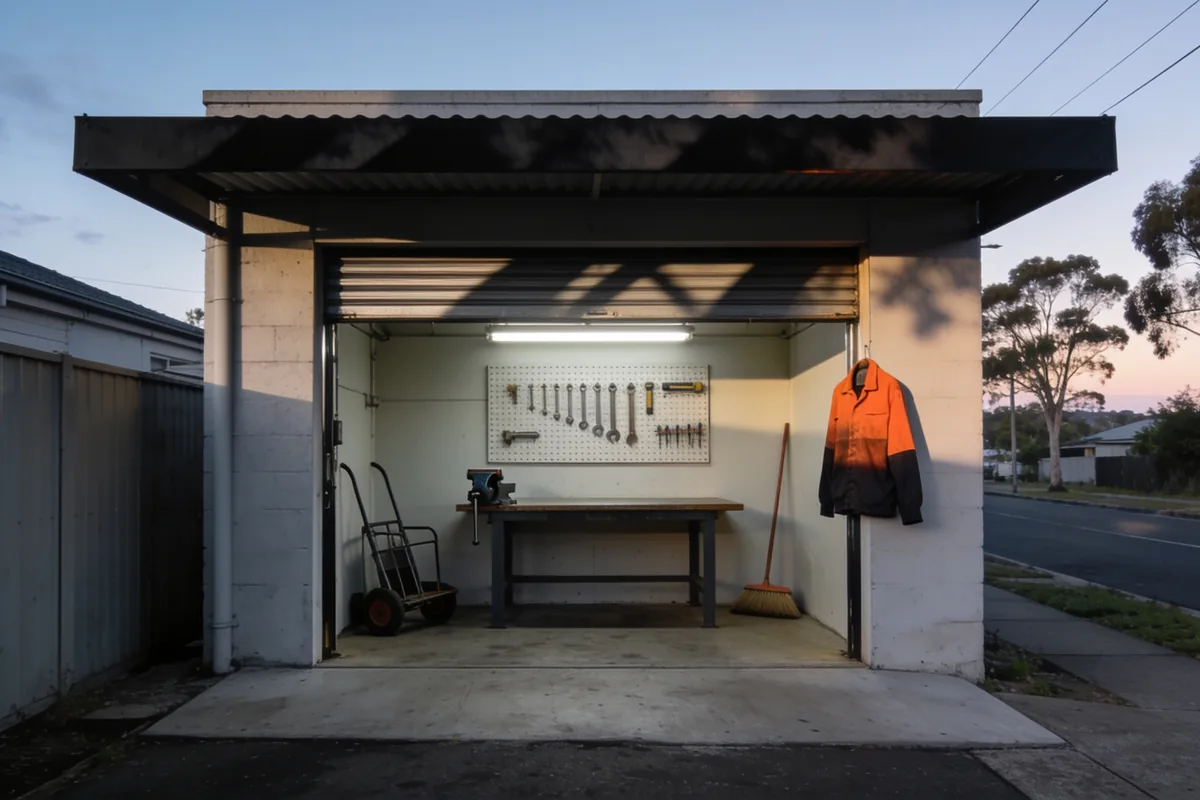
Most new businesses are started in markets that are already crowded, because crowded markets are the ones people talk about. The opportunities described here run the other way. They sit in sectors that are necessary, unglamorous and overlooked, where demand does not depend on fashion and the competition is thinner than the visibility suggests. The term for them is invisible business opportunities, and the useful work is not in admiring the idea but in understanding what the work actually involves, what keeps competitors out, and how to test the market before committing capital to it.
What makes these businesses different
The sectors have four characteristics in common, and each of them is a reason the opportunity exists.
- Stable demand. The service is tied to a necessity rather than to a trend, so the customer base does not evaporate when tastes move.
- Real barriers to entry. Licensing, equipment, contracts or specialist knowledge stand between an interested outsider and an operating business. The barrier is what protects the margin.
- Predictable revenue. Customers return, or contracts run for years, which makes the business fundable and the cash flow plannable.
- Room to modernise. Many of the operators in these sectors have run the same way for decades, which leaves genuine scope for better systems, better service and better pricing.
The characteristics are conditions rather than benefits. A barrier that protects an incumbent also stands in front of a newcomer, and a sector with stable demand and easy entry would already be full. The assessment is whether the barrier can be cleared with the time and capital available.
The sectors worth understanding
Funeral and end-of-life services
The work is the arrangement and delivery of funerals, burials and cremations, along with the planning services that sit around them. Demand is constant and largely recession-proof, and the sector carries a trust dimension that few others do.
The barriers are the meaningful part. The work is licensed and regulated, premises and equipment carry capital costs, and the sector’s reputation is built slowly, family by family. That combination deters casual entrants, which is why the incumbents have been able to charge as they do. A person testing the market would begin with the parts that do not require premises: end-of-life planning support, or a service that coordinates between families and existing providers.
Waste management and recycling
The work ranges from collection rounds to the processing of construction waste, e-waste, food waste and plastics. Regulations and urban growth both push demand upward, and the sustainability angle is a genuine commercial driver rather than decoration.
The barriers are logistics and contracts. Collection needs vehicles, routes and council or commercial agreements; processing needs a site and the approvals that come with it. The practical test before committing is contractual: whether a route or a supply of material can be secured in writing before the equipment is bought, because the asset is worthless without the volume.
Regulatory compliance and risk management
The work is helping other businesses meet their obligations: environmental, health and safety, licensing and training, and the audits that prove it. Regulations tighten over time, which means the addressable market grows without the sector having to sell the idea of compliance.
The barrier here is expertise, and it is the most affordable of the five to acquire, because it is knowledge rather than capital. The market test is whether a specific obligation is causing specific pain: a new rule that small operators are struggling to meet is a business, while compliance in general is a brochure.
Niche maintenance services
The work is the unglamorous end of the trades: commercial cleaning, pest control, HVAC servicing, plumbing on contract. What these services share is recurrence, which turns a trade into a revenue model when the work is scheduled, documented and dependable.
The barriers are licensing, equipment and reliability. A pest control round, for instance, requires a licence and the equipment that goes with it, and a commercial client will ask for both before signing. The test is to win one recurring contract, however small, before buying for ten, because the contract is the business and the equipment is only the cost of serving it.
Data and document destruction
The work is the secure destruction of information: shredding, digital wiping and the certification that proves it was done. Privacy law and the cost of a data breach keep demand moving, and the service is built on trust, which means records and process are the product.
The barriers are certification and trust. The operator must be able to demonstrate the chain of custody, and clients must believe it. The test is whether a certification can be obtained and a first client found before the plant is financed, because an uncertified destruction service has nothing to sell.
How to test an opportunity before committing
The sequence that protects capital is the same in every sector on this list.
- Check necessity, not novelty. The question is whether the customers cannot do without the service, because that is what makes the revenue stable.
- Find the pain in the incumbents. Poor service, outdated systems and unanswered phones are the openings; a sector with excellent operators and thin margins is not.
- Cost the barrier in full. Licensing, insurance, premises, equipment and the time before the first invoice are the real entry price, and it should be added up before any deposit is paid.
- Modernise one thing. A booking system, a scheduling tool, a website that answers questions: in sectors that have not changed in decades, one improvement is a competitive position.
- Start with a contract. The first market test is a paying customer or a signed agreement, secured before the capital is committed. Where the business needs equipment, the equipment should follow the contract rather than the other way around.
Why the barrier is the opportunity
The instinct is to look for sectors with no barriers, on the view that easy entry means fast growth. The reality is the opposite. Where entry is easy, margins are competed away by the next entrant and the next. Where entry is expensive, slow or regulated, the difficulty that keeps newcomers out is the same difficulty that protects the business once it is established.
That reframes the work of choosing a sector. The question is not which sector is easiest to enter, but which barrier can be cleared with the resources and patience available, and then defended.
Where the opportunity usually surfaces
These sectors rarely advertise their openings. The information sits with the operators, the customers and the people who work alongside both, which is why the useful step after the research is a conversation: with a retiring operator about succession, with a commercial client about what their current provider keeps getting wrong, or with a council about the services it contracts. How business relationships of that kind form, and how to approach them without an agenda, is set out in the guide to the networking that actually produces work.
The pattern in every sector above is the same. Necessary work, real barriers, recurring revenue and room to improve. What a reader does with the pattern is the part that cannot be researched, and the part that decides the outcome.









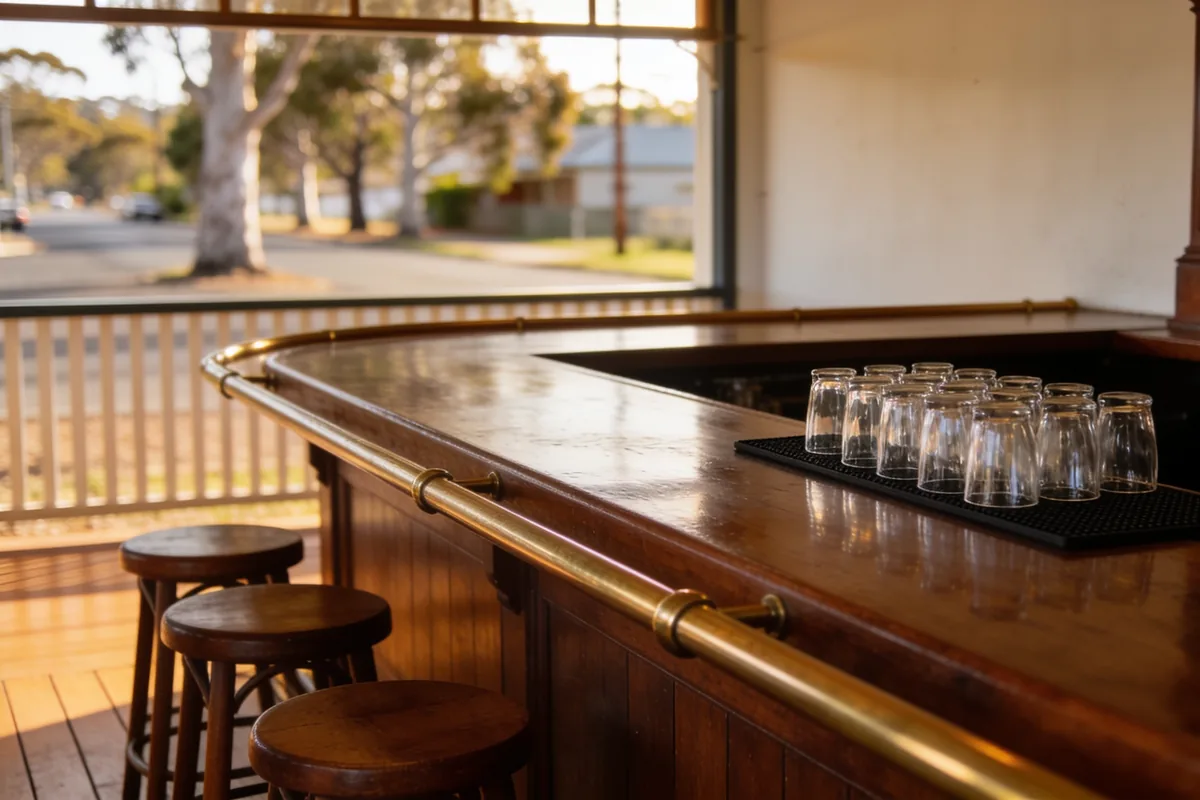
An RSA is a state credential, not a national one. The course is shared, but each state decides what it will accept, so the move between states is where the risk sits.
Say a Victorian student lands a summer bar job in Queensland. Or a backpacker with a Queensland statement is rostered in Sydney. The paper in the wallet may be fine. It may also be a document the new employer cannot use.
Some states accept an interstate certificate on its face. Others want a bridging course. One state’s page gives two figures and does not say how they fit. This article sets out all eight jurisdictions in one table, then the order of steps to take before the first shift.
The position is plain. Check the regulator for the state where you will pour. Use a bridging course only where that state asks for one.
One national course, eight sets of rules
The training is national. The unit behind it, which the WA and NT pages name as SITHFAB021, is the same wherever you sit it. What changes at the border is the regulation wrapped around it.
Each state decides what you must hold, how long it counts and when you must have it. In NSW the proof is a competency card. In Victoria it is a Certificate of Completion. In Queensland it is a Statement of Attainment, and the state issues no card at all.
That is why “my RSA is national” sounds right and fails at the roster. The unit is national. The recognition is not.
Age is another line that moves. Victoria’s page lets you train from 16 but says you cannot serve until 18. Queensland’s page says all staff need one regardless of age. Both hold in their own state, and neither travels.
The paperwork is only one part of a first bar job. What tipping looks like on the floor covers the cash side.
Where each state stands
Every row comes from the regulator’s own page, opened on 19 November 2026. Page dates are the ones the pages show. Two cells say the page does not answer the question. That is deliberate.
| State | What you hold | An RSA from another state | How long it lasts | Page and date |
|---|---|---|---|---|
| NSW | Interim certificate (valid 90 days, lets you work at once), then a competency card | Moved to NSW permanently: online bridging course, then Service NSW in person with 100 points of ID. Eligible only with a national Statement of Attainment from the last 5 years (from Qld, WA, SA, Tas) or a Statement of Attainment or refresher certificate from the last 3 years (from Vic, ACT, NT). Interstate workers who do not live permanently in NSW generally do not need it if they hold an approved certificate and can show it. | Expiry date is on the card. A full course is needed if your last RSA training was more than 5 years ago. Online refresher takes 60 to 90 minutes, 100 per cent to pass | nsw.gov.au RSA and bridging pages (no page date, copyright 2026); Service NSW bridging page, last published 8 Apr 2026 |
| Victoria | Certificate of Completion | Free bridging course, the “RSA Refresher”, if the training was approved by a state or territory liquor licensing authority, was completed in the last 3 years, you were living interstate or overseas if the course was online, and you are 16 or over. Otherwise “we will decline your application”. Allow 10 working days | Refresher every 3 years, free, about 90 minutes online. First RSA training is due before you start supplying alcohol, or within one month of first supplying it | vic.gov.au RSA training, updated 31 Jul 2026; Victorian portal eligibility page |
| Queensland | Statement of Attainment from the national course; no card | “You can use an interstate RSA qualification in Queensland if you have a Statement of Attainment.” A statement of attendance is not the same | Does not expire. Training before 2002 is not valid. Staff have 30 days from starting | business.qld.gov.au, last updated 1 May 2025 |
| Western Australia | Training certificate for SITHFAB021 (the page’s wording) | The page opened does not say. Ask the Department | No expiry “currently (in Western Australia only)”. 28 days to complete from starting | wa.gov.au, last updated 19 Jun 2026 |
| South Australia | Certificate from an approved training provider (CBS issues none) | The pages opened do not say. Ask CBS | The pages opened do not say. Training before 1 Nov 2020 need not be redone; from 1 Nov 2020 the provider must be approved by the Commissioner | cbs.sa.gov.au (no date shown); sa.gov.au licensee page, updated 30 Jun 2025 |
| Tasmania | Certificate from an approved course | For staff, the page recognises “RSA courses from any Australian jurisdiction” and certification from any other Australian regulator. Licence holders need courses with Tasmanian content | No expiry stated on the course page. The FAQ says no expiry, and an employer may ask for an update if the certificate is old or was done interstate. New staff: 3 months from starting | treasury.tas.gov.au course page, published 8 Oct 2024; FAQ, published 16 Mar 2022 |
| ACT | ACT approved certificate | An interstate certificate “will expire in the ACT 3 years after the day you completed the course”. Then an ACT approved refresher. Since September 2022 the refresher replaces the full ACT course for interstate holders | 3 years, counted from completion | accesscanberra.act.gov.au liquor licences page (no RSA date); act.gov.au page, updated 20 Jul 2026 |
| Northern Territory | RSA certificate from a recognised training organisation | Certificates from outside the NT are accepted if they come from a recognised training organisation. The page also says someone with an interstate certificate “may not realise” it “is no longer valid after 3 years in the NT”. The refresher is free | The page gives two figures, 3 years for an interstate certificate and 5 years for the refresher (“must be completed every 5 years”), and does not say how they fit together. Staff have 7 days from starting | nt.gov.au (no date shown) |
Six lines on what the table leaves out.
- Western Australia. The page opened says nothing about interstate certificates. This article does not guess, and no training provider’s claim fills the gap.
- South Australia. The pages opened are silent on interstate acceptance and on expiry. An employer may still ask to see a current certificate.
- Northern Territory. The page gives two figures, 3 years for an interstate certificate and 5 years for the refresher, and does not say how they fit together. One line says an interstate certificate “is no longer valid after 3 years in the NT”. Another says the refresher “must be completed every 5 years”. No date is shown. Both lines are printed as the page words them. Licensing NT is the body to ask, and its answer beats this table.
- Tasmania and the ACT. Tasmania’s recognition line covers staff, not licence holders. The ACT’s three-year clock starts the day you finished the course, not the day you arrived.
- Fees. None are listed. NSW’s pages give no figure, and Victoria’s bridging and refresher are free.
Read your row. Then open the page behind it.
Moving to NSW or Victoria can mean a bridging course
The word “can” matters. Both states ask for a bridge, and both attach conditions.
NSW. The bridging course is for people who have moved to NSW permanently. A temporary interstate worker generally does not need it, provided the certificate is approved and they can show it. Security workers and RSA marshals are the exception: they always do the bridge.
For a permanent mover, the order runs like this:
- Check the window. A national Statement of Attainment from Queensland, WA, SA or Tasmania must be within 5 years. A statement or refresher certificate from Victoria, the ACT or the NT must be within 3.
- Complete the online bridging course.
- Attend Service NSW in person with 100 points of ID.
- Work on the interim certificate, valid for 90 days, until the competency card arrives.
The page says the fee includes the card. It gives no dollar figure, so none is printed here.
Victoria. The bridge is free and goes by the name “RSA Refresher”. It is not open to everyone. Four conditions apply:
- the training was approved by a state or territory liquor licensing authority;
- it was completed in the last 3 years;
- if the course was online, you were living interstate or overseas at the time;
- you are 16 or over.
Miss one and the page says “we will decline your application”. Allow 10 working days. Under 18, you may hold the certificate but cannot serve.
The third condition is the trap. Say a Melbourne resident completes an online course approved in another state. The Victorian page requires that you lived interstate or overseas when you completed an online course, so an online course taken while living in Victoria does not meet that condition. Check that before paying any provider.
State lines catch people out well beyond bar work. The Free TAFE list stops at the border for the same reason: the state that writes the rule decides who qualifies.
Know which kind of worker you are.
Where the websites disagree
Some training-provider pages, and some older online threads, say things the regulators do not. Four claims are worth settling. Each time, the regulator’s page wins.
Is an interstate RSA recognised in NSW? One provider page says training completed interstate “is not recognised in NSW”. The same page says an NSW RSA “is recognised in every other state and territory”. The regulators say otherwise. NSW takes interstate certificates through bridging, or on the certificate itself for temporary workers. Victoria accepts an interstate certificate only through the free bridge, so an NSW certificate alone does not get you behind a Victorian bar. Neither blanket line holds.
Does it expire, and when? One top-ranking provider table puts WA and SA at 3 years and Tasmania at 5. The regulators do not. WA’s page, updated 19 June 2026, says “Currently (in Western Australia only) the above courses have no expiration date”. Tasmania’s FAQ, published 16 March 2022, says there is “no expiry date on an accreditation”, although its 2024 course page is silent. SA’s pages say nothing. A flat expiry table is not a source.
Is online allowed in NSW? One provider table says no. NSW’s page says courses “may be classroom-based or online”, and the refresher is online. Online is allowed. The real online trap sits in Victoria, covered above.
How long does Victoria’s last? Some providers say never. The Victorian page says “You need to complete the RSA Refresher course every 3 years”. It is free and takes about 90 minutes online. Three years. Free.
A common view online is that an RSA works anywhere. The opposite view is that you redo the whole course in every state. Each is half right. Queensland accepts a Statement of Attainment from elsewhere, and Victoria’s bridge is free and short. But one certificate does not cover every state.
Before the roster goes up
Five steps, in this order.
- Ask the employer which state document they want to see. Get the answer in writing.
- Find your Statement of Attainment, not only a card. NSW’s bridging runs off the statement or the refresher certificate, and Queensland issues no card.
- Read the regulator page for the state where you will work. Not a provider’s summary of it.
- Count the days. Queensland allows 30 from starting, WA 28, the NT 7 and Tasmania 3 months for new staff. In Victoria, first RSA training is due before you start supplying alcohol or within one month of first supplying it. Your state’s page decides.
- Book the bridge if your state asks for one. Victoria needs about 10 working days to process it, so start early.
The first-day paperwork has its own list: the forms to complete on day one cover the tax file number and super. Long service leave is another work entitlement your state sets, and the state you work in writes the rule there too.
What to settle before your first shift
An RSA is state-regulated. The course is national, the recognition is not, and a certificate that works in one state can be useless in the next.
Open the regulator’s page for the state where you will pour, today. If it names your certificate, you are done. If it says nothing, as the WA and SA pages do about interstate certificates, ask the regulator directly. If you have moved to NSW permanently, or Victoria’s four conditions apply to you, book the bridge.
Settle it before the roster goes up.
This article is general information only. Rules change, and the regulator’s page is the final word for the state where you will work.
Sources: About training: RSA, Liquor & Gaming NSW (https://www.nsw.gov.au/business-and-economy/liquor-and-gaming/training/rsa); NSW RSA bridging course, Liquor & Gaming NSW (https://www.nsw.gov.au/business-and-economy/liquor-and-gaming/training/rsa-bridging); Apply for an RSA competency card, NSW RSA bridging applicants, Service NSW (https://www.service.nsw.gov.au/transaction/apply-for-an-rsa-competency-card-nsw-rsa-bridging-applicants); Responsible service of alcohol training, Liquor Control Victoria (https://www.vic.gov.au/rsa-training); Bridging course eligibility check, Liquor Control Victoria (https://liquorportal.vcglr.vic.gov.au/rsa_refresher/BridgingCourseApplication.aspx); Responsible service of alcohol training and certification, Business Queensland (https://business.qld.gov.au/industries/hospitality-tourism-sport/liquor-gaming/liquor/training/rsa/certification); Responsible service of alcohol training, Government of Western Australia (https://www.wa.gov.au/node/35253/); Approved training providers for responsible service of alcohol, Consumer and Business Services SA (https://www.cbs.sa.gov.au/RSA-approved-providers); Key responsibilities of liquor licensees, SA.GOV.AU (https://www.sa.gov.au/topics/business-and-trade/liquor/running-a-licensed-venue/key-responsibilities-of-liquor-licensees); Responsible service of alcohol course, Tasmanian Liquor and Gaming Branch (https://www.treasury.tas.gov.au/liquor-and-gaming/liquor/responsible-service-of-alcohol/responsible-service-alcohol-course); Liquor FAQs, Tasmanian Liquor and Gaming Branch (https://www.treasury.tas.gov.au/liquor-gaming-site/Pages/Liquor-frequently-asked-questions-FAQs.aspx); Liquor licences, Access Canberra (https://www.accesscanberra.act.gov.au/business-and-work/hospitality-liquor-and-gaming/liquor-licences); Changes to responsible service of alcohol requirements, ACT Government (https://www.act.gov.au/law-and-justice/law-reforms/changes-to-responsible-service-of-alcohol-requirements); Responsible service of alcohol, Northern Territory Government (https://nt.gov.au/industry/hospitality/serve-alcohol-responsibly)


You tap your card for a coffee, and instead of the usual beep the screen asks whether you’d like to add 10, 15 or 20 per cent. There’s a person waiting behind you, the barista is right there, and for a second you’re not sure what the polite thing is. If that little pause feels awkward, you’re far from the only one. Locals get caught by it as often as visitors do, and plenty of people walk away from the counter still not sure they got it right.
So here’s the short answer first, to take the pressure off: tipping in Australia is optional. You’re not doing anything wrong by pressing no tip, and you’re not doing anything strange by leaving one when you’d like to. The rest of this guide explains why, and how to handle the screen without the second of panic.
Why tipping is optional here
The reason comes down to how hospitality workers are paid. In Australia, hospitality pay is set under awards, which lay down legal minimum rates. The pay comes from those awards, not from the tip jar.
The Fair Work Ombudsman sets out the latest change. From the first full pay period on or after 1 July 2026, modern award minimum wages rose by 4.75 per cent, and the national minimum wage is now $26.44 an hour, or $1,004.90 a week. That figure is the floor that sits under the lowest award rate. The hospitality and restaurant awards then set the rates for those industries, and the Fair Work Ombudsman publishes them for anyone who wants to look.
If you’ve travelled, or have friends from places where tipping is part of how a server gets by, it makes sense that leaving nothing feels uneasy. Here, though, the wage isn’t waiting on your generosity. A tip, when you leave one, is extra, a thank-you on top of pay that’s already set by law.
It can help to picture it from the other side of the counter. The barista making your flat white this morning is working under an award, and the rate on that award was set before you walked in. Whether you press no tip or add a dollar, the minimum they’re paid for that shift doesn’t move, because the award had already set it. That’s the bit that makes the decision genuinely yours, rather than something you owe.
One small thing to hold on to: if you ever feel the pull to tip out of worry rather than gratitude, it’s fine to let that worry go. The minimum is already set before you reach the counter.
Where a tip is a common kindness
None of this means Australians never tip. Lots of people do, and it’s usually a way of saying thanks rather than a duty. Think of it as a custom some people follow, not a rule anyone has to.

A few situations come up again and again when people talk about it:
- A sit-down meal with great service. Some people leave something when a waiter has gone out of their way, and some leave around 10 per cent when the service was exceptional. Plenty of others leave nothing at all, and both are normal.
- Rounding up. For a taxi or a delivery, some people just round the fare up to a tidy number and tell the driver to keep the change. It’s small, it’s quick, and it’s appreciated. If you’ve ever leaned on a local taxi service in a country town, you’ll know how much a good driver can matter.
- A big group. When a table of twelve has kept the kitchen and floor busy all evening, some groups pool a little extra as thanks.
You’ll notice there’s no magic percentage in that list. There isn’t one here, and if someone tells you there is, it’s their habit rather than a rule.
One small step: next time the service genuinely makes your day, decide then whether you’d like to say thanks with a tip, a kind word, or both.
Why the screen asks anyway
If tipping isn’t expected, why does the card reader keep asking? It’s a fair question, and many Australians would tell you it’s about the payment software. A common view is that a lot of point of sale systems were built for overseas markets where tipping is normal, and the tip prompt simply came along with them.
Whatever the reason in a particular shop, the prompt doesn’t change the rules. It’s a question, not a bill. You can always choose no tip, or a custom amount you set yourself, and the payment goes through either way.
It might help to know that plenty of locals find the prompt a bit uncomfortable too. You’re not missing some unwritten rule everyone else understands.
One small step: the next time the screen appears, take a breath and look for the no tip or custom option before you tap anything.
What to do at the screen
Here’s a simple way to handle it, so you don’t have to think on your feet.
If you don’t want to tip, press no tip, or skip, or whatever the button says, then tap your card as usual. You don’t need to say anything or explain yourself. A smile and a thank-you are plenty.
If you do want to tip, choose the custom option and enter the amount you’d like, rather than feeling boxed in by the percentages on the screen. Or skip the prompt and leave some cash on the table or in the jar, which some people prefer because it feels more personal.
The screen is offering you a choice, and either answer is a polite one.
One small step: try saying “no tip, thanks” quietly to yourself once or twice before your next coffee run. It sounds silly, but having the words ready makes the moment easier.
Three moments at the counter, as examples
Sometimes it’s easier to see it play out, so here are three everyday moments. They’re illustrations, not rules, and the amounts are made up.
The Saturday coffee. You order a coffee, the screen offers 10, 15 or 20 per cent, and the queue is shuffling behind you. You press no tip, tap, say thanks and take your cup. That’s the whole thing. Nobody at the machine is keeping score, and you’ve done nothing unusual.
The birthday dinner. The waiter has been wonderful all night: patient with the kids, quick with the cake, happy to split the bill four ways. The total comes to $80, and you’d like to say thank you properly. You choose the custom option and enter $8, which is about 10 per cent, the amount some people leave when service has been exceptional. Or you leave the cash on the table instead. Either is lovely, and so is a warm thank-you on the way out.
The ride home. The taxi fare is $27.40. You hand over $30 and say “keep the change”. It took two seconds, and it’s the kind of small rounding up that plenty of people do without thinking twice. If you’d paid by card and pressed no tip, that would have been perfectly fine too.
Notice that in each case you made the choice before your finger hit the screen. That’s really all the method is.
If you’re visiting Australia
If you’ve come from somewhere tipping is expected, you might feel a little guilty leaving nothing at first. Please don’t. You won’t offend anyone by not tipping, and a warm thank-you to the person who served you counts for a lot here. If you’d like to tip for something truly special, that’s lovely too, and it will be received as the thank-you it is.
Short trips are busy enough without worrying about etiquette at every counter. If you’re squeezing in a city break, our guide to Brisbane in a few days is a better use of the headspace.
A few questions people ask
“Will the staff think I’m rude if I press no tip?” It’s a very human worry, and the answer is reassuring: it’s an ordinary choice here. Many Australians leave nothing, and pressing no tip is a normal part of paying for a coffee or a meal.
“Is it rude to tip, then?” Not at all. A tip is a thank-you on top of pay that’s already set, so it’s taken as just that. If the service has made your day, saying so with a few dollars is a kind thing to do.
“I’m a local and the prompt still throws me. Is that silly?” It isn’t. Plenty of locals find the prompt a bit uncomfortable, and being caught off guard by a question you weren’t expecting is perfectly normal. Give yourself the same patience you’d give a visitor.
“Can I leave cash instead of using the screen?” Yes. Some people prefer a few coins on the table or in the jar because it feels more personal. Skip the prompt, pay as usual, and leave it on your way out.
“If I do want to tip, how much is right?” There’s no set figure here. Some people round up, some leave around 10 per cent for exceptional service, and some leave a few coins in the jar. Pick an amount you’re comfortable with and use the custom option, so the percentages on the screen aren’t deciding for you.
One small step: choose your own default now, whether that’s no tip, rounding up or something for great service, so the screen never has to choose it for you.
No tip is not rude here
The card reader moment can feel bigger than it is, mostly because it happens so fast and with someone watching. Underneath it, the picture is simple. Hospitality pay here is set by awards with legal minimum rates, so a tip sits on top of the wage rather than making it up. Some people tip for great service, many don’t, and both are part of everyday life in Australia.
So give yourself permission to decide case by case. Press no tip without a second thought when that’s what you want. Leave something when the service has made your day and you’d like to say so. And if you’re still unsure in the moment, a genuine thank-you is always the right answer.
Sources: Minimum wages increase from 1 July 2026, Fair Work Ombudsman (https://www.fairwork.gov.au/about-us/workplace-laws/annual-wage-review/annual-wage-review-2026); Hospitality Industry (General) Award 2020 [MA000009], Fair Work Ombudsman (https://awards.fairwork.gov.au/MA000009.html); Restaurant Industry Award 2020 [MA000119], Fair Work Ombudsman (https://awards.fairwork.gov.au/MA000119.html)

The Medicare levy surcharge is not covered by the tax your employer withholds from your pay. The Australian Taxation Office states this plainly, and it explains why the surcharge so often arrives as a surprise: the amount is worked out when your return is processed, so it can reduce a refund you expected or create a bill you did not.
This article is written for a person whose income sits above the surcharge threshold and who holds no private hospital cover, and for a couple or family in the same position. The calculator below compares the surcharge with the cost of hospital cover at your own quote. It is a guide to the arithmetic, not tax advice, and its result applies only if the conditions set out in each section below also apply to you.
Timing matters as well. A decision about cover made before 30 June can change the surcharge for the year still running, which is one reason tax planning is better done through the year than at the deadline. A decision left until lodgement can only be paid for, and a household that relies on its refund should know that a surcharge bill may arrive in its place. That is the situation an emergency fund worked out from your own bills is meant to absorb.
Medicare levy surcharge or hospital cover: your own figures
Enter your own figures. Nothing is filled in for you, and the result updates as you type. This calculator is a guide to the arithmetic, not tax advice.
Choose your situation and enter your taxable income to see the result.
The surcharge is charged on taxable income and reportable fringe benefits. Family trust distribution amounts and part-year changes are not included here.
Choose your situation and enter your taxable income to see the result.
| Year | Status | Base tier (0%) | Tier 1 (1%) | Tier 2 (1.25%) | Tier 3 (1.5%) |
|---|---|---|---|---|---|
| 2025-26 | Single | up to $101,000 | $101,001 to $118,000 | $118,001 to $158,000 | $158,001 and over |
| 2025-26 | Family | up to $202,000 | $202,001 to $236,000 | $236,001 to $316,000 | $316,001 and over |
| 2026-27 | Single | up to $105,000 | $105,001 to $123,000 | $123,001 to $164,000 | $164,001 and over |
| 2026-27 | Family | up to $210,000 | $210,001 to $246,000 | $246,001 to $328,000 | $328,001 and over |
Family thresholds rise by $1,500 for each dependent child after the first. Single parents and couples use the family thresholds.
Thresholds: Australian Taxation Office, Medicare levy surcharge income, thresholds and rates (published 27 August 2026), and privatehealth.gov.au, Medicare Levy Surcharge. Rebate: privatehealth.gov.au, Private Health Insurance Rebate, rates for 1 July 2026 to 31 March 2027, applied to the whole of 2026-27 because later rates are not yet published. Loading: privatehealth.gov.au, Lifetime Health Cover. Figures read 3 October 2026.
What the surcharge is, and whom it covers
The Medicare levy surcharge is separate from the Medicare levy. According to the Private Health Insurance Ombudsman, which publishes the government’s consumer information at privatehealth.gov.au, the surcharge is charged at 1%, 1.25% or 1.5% depending on income, and it is paid on top of the 2% Medicare levy. A person liable for the surcharge therefore pays both.
The surcharge is tied to private hospital cover. A person above the income threshold who does not hold an appropriate level of hospital cover pays it. A person above the threshold who does hold that cover does not. Below the threshold, the surcharge does not apply, whether or not the person is insured.
The condition to check first concerns who must be covered. The test applies to you, your spouse and your dependent children together, and the ATO and the Ombudsman both state that all of them must hold appropriate hospital cover for you to avoid the surcharge. A policy that covers one partner, or a parent but not the children, can leave the household liable even while a premium is being paid each month.
The thresholds for 2025-26 and 2026-27
Two income years are live in October 2026, and each serves a different purpose. The 2025-26 year is the one most people are lodging a return for now. The surcharge on that year is already fixed by the cover a person did or did not hold, and cover cannot be bought backwards to change it. The 2026-27 year began on 1 July 2026 and is still running, so it is the year in which a decision about cover can still make a difference.
The practical consequence is that a reader needs both tables for different jobs. The 2025-26 table tells you what to expect when the return now being prepared is assessed. The 2026-27 table is the one to use when weighing a quote, because only that year can still be influenced by cover taken out now.
The figures below are the ATO’s, from its page on surcharge income, thresholds and rates, published on 27 August 2026. The Ombudsman’s site carries the same figures for both years.
2025-26 income year
| Tier | Single | Family | Surcharge rate |
|---|---|---|---|
| Base tier | up to $101,000 | up to $202,000 | 0% |
| Tier 1 | $101,001 to $118,000 | $202,001 to $236,000 | 1% |
| Tier 2 | $118,001 to $158,000 | $236,001 to $316,000 | 1.25% |
| Tier 3 | $158,001 and over | $316,001 and over | 1.5% |
2026-27 income year
| Tier | Single | Family | Surcharge rate |
|---|---|---|---|
| Base tier | up to $105,000 | up to $210,000 | 0% |
| Tier 1 | $105,001 to $123,000 | $210,001 to $246,000 | 1% |
| Tier 2 | $123,001 to $164,000 | $246,001 to $328,000 | 1.25% |
| Tier 3 | $164,001 and over | $328,001 and over | 1.5% |
Three conditions sit beneath these tables. First, the family thresholds rise by $1,500 for each dependent child after the first, and the Ombudsman states the increase against the thresholds generally, so every family boundary moves, not only the first. Second, single parents and couples are both tested against the family tiers. Third, a dependent child has a defined meaning: the ATO counts a child under 21, or a child aged 21 to 24 who is studying full time.
A family with one dependent child therefore uses the family figures exactly as tabled. The calculator applies the increase once the number of children is entered.
Income for surcharge purposes is not taxable income
The income tested against these thresholds is called income for Medicare levy surcharge purposes, and the ATO distinguishes it carefully from taxable income. For many people the two figures are close. For people with salary packaging, investment losses or certain superannuation contributions, they can be some distance apart, and it is the surcharge figure, not taxable income, that decides the tier.
The ATO lists the components. Income for surcharge purposes is the total of your taxable income, your reportable fringe benefits, your total net investment losses and your reportable superannuation contributions. For a couple, the test uses the combined figure, so your spouse’s income for surcharge purposes is included as well. Where income arrives from several places, it is worth reading how income from more than one source is treated at tax time alongside this list, because each source can add to the total.
A second distinction follows. The tier is decided by income for surcharge purposes, but the rate is not charged on that whole figure. The ATO states that the surcharge is levied on taxable income, reportable fringe benefits and any amount subject to family trust distribution tax. Net investment losses and super contributions can therefore move a person into a tier without themselves attracting the charge.
The ATO works through an example for 2026-27, and it shows both rules at once. Tom has taxable income of $90,000 and reportable fringe benefits of $27,000, so his income for surcharge purposes is $117,000. As a single person in 2026-27, that places him in Tier 1, where the rate is 1%. If he holds no appropriate hospital cover for the year, his surcharge is $1,170.
This is why readers who salary package should look closely at their income statement. Packaged benefits that are reportable count towards the threshold, and they also form part of the amount on which the rate is charged. An arrangement that lowers taxable income can still leave income for surcharge purposes higher than a person expects. The calculator asks for reportable fringe benefits separately for that reason.
The same applies within a couple. Because the family test uses combined income, a partner’s packaged benefits, investment losses or reportable super contributions count towards the household figure in the same way as your own. Each partner should therefore check their own income statement before the combined figure is entered.
What counts as hospital cover
Holding a policy is not, by itself, enough. The ATO describes the cover required as an appropriate level of private patient hospital cover, and its page on the subject, updated on 30 April 2026, sets out the conditions. The policy must be hospital cover held with a registered Australian health insurer, and its excess must not exceed $750 for a single policy or $1,500 for a couple or family policy. A hospital policy with a higher excess does not stop the surcharge.
Some cover does not count at all. The ATO and the Ombudsman both exclude extras cover, travel insurance and cover held with an overseas fund. A person with a generous extras policy and no hospital cover remains liable, and so does a person relying on an overseas policy.
Before comparing prices, then, the first check is the excess on the quote. The calculator repeats the limits beside the premium field, so that the comparison is made only against policies that would in fact remove the surcharge.
The comparison, set out honestly
The two options are not equivalent, and the comparison should begin by saying so. The surcharge buys nothing: it is a charge on the tax return, and paying it provides no hospital cover. A premium buys cover, but it may cost more or less than the surcharge, depending on income and on the policy chosen. Neither outcome can be assumed, which is why the calculator asks for your own quote rather than an average.
The government rebate on private health insurance moves the arithmetic in one particular direction. The Ombudsman publishes the rebate by income tier, and for the period from 1 July 2026 to 31 March 2027, for people under 65, the rates are 24.118% in the base tier, 16.079% in Tier 1, 8.038% in Tier 2 and 0% in Tier 3. The rebate falls as income rises. The people who pay the surcharge are therefore the same people who receive the smallest rebate, or none, when they buy cover.
Older age bands receive higher rates, and the calculator includes them, applied as the insurer applies them to the oldest person on the policy. The rates from 1 April 2027 have not yet been published. The calculator uses the published rates for the whole of 2026-27, so its result for the final three months of the year should be read as an approximation.
For 2026-27, the calculator places your income in its tier and works out the surcharge for a full year without cover. It takes your quoted premium before the rebate and any loading, applies the rebate for your tier and age band, adds any loading, and reports the difference. For 2025-26 it reports the surcharge alone, because that year can no longer be changed.
The result should be read with its conditions attached. Where cover costs less than the surcharge, the comparison favours cover on cost alone, provided the policy meets the excess limits and covers everyone the test requires. Where cover costs more, the difference is the price of the cover itself, measured against a charge that provides nothing in return. Whether that price is worth paying depends on what the policy would be used for, and that is a judgement the calculator does not attempt to make.
Lifetime Health Cover loading
The Lifetime Health Cover loading belongs in the comparison as well, because it is added to the premium a late joiner pays. According to the Ombudsman, a person who takes out hospital cover after their base day pays a loading of 2% on the premium for every year they were over 30 at the 1 July before they joined. The loading is capped at 70%, and it is removed once the person has held hospital cover for 10 continuous years.
The base day is usually the 1 July after a person’s 31st birthday. The rules also allow 1,094 permitted days without hospital cover, and anyone with a gap in their cover history should read the Ombudsman’s explanation of those days before assuming a loading applies.
For couples, the loading is averaged across the policy. The Ombudsman’s example concerns Noor and Lukas: Noor carries no loading, Lukas carries 22%, and their joint policy carries 11%. The calculator follows the same method, and an age left blank counts as no loading.
One further condition matters here. The Ombudsman states that the rebate does not apply to the loading. The calculator therefore applies the rebate to the base premium only and adds the loading in full.
The loading also changes the time frame of the decision. The surcharge is assessed one income year at a time, whereas a loading, once it applies, remains on the premium until 10 continuous years of cover have passed. A comparison made for a single year shows only the first of those years, and a reader who carries a loading should keep that longer period in mind when reading the calculator’s result.
Part of a year, suspended policies and a new spouse
The surcharge is not all or nothing. The Ombudsman states that it applies for the days on which you did not hold appropriate hospital cover. A person who takes out cover partway through 2026-27 is liable only for the days before the policy began, provided the other conditions are met. The calculator shows an approximate daily figure beside the full-year one so that a part year can be estimated. That daily figure is a guide to the cost of each further day without cover, not a final assessment, because the ATO calculates the surcharge from the return itself.
A suspended policy is treated differently. The Ombudsman states that a suspended policy does not provide an exemption from the surcharge, so the days of a suspension should be treated as days without cover.
Couples have one further rule. For 2025-26, the ATO states that a person in a couple does not pay the surcharge if their own income for surcharge purposes was $27,222 or less. The equivalent figure for 2026-27 did not appear on the ATO pages read for this article, so it is not stated here. The calculator asks a person with a low income to check the ATO’s spouse rule for the current year.
Circumstances also change within a year. A change in income, a new spouse or a change in dependants can each change whether the surcharge applies, and at which tier. The calculator tests one set of figures for a whole year and cannot account for these changes.
Before you sign a policy, or skip one
The ATO and the Ombudsman publish what is needed to make this decision on the right figures. The checks, in order, are these.
- Run the calculator for 2026-27 with all of your income items, including reportable fringe benefits, and with a real quote rather than an estimate.
- Confirm that the excess on the quote is no more than $750 for a single policy or $1,500 for a couple or family policy. A higher excess will not stop the surcharge.
- Confirm that everyone the test covers, including your spouse and dependent children, would be on the policy.
- Establish whether a Lifetime Health Cover loading applies, and include it, because the rebate will not reduce it.
- For 2025-26, treat the calculator’s figure as the amount to expect on your return, and plan for that amount rather than for a refund.
The calculator is your own arithmetic using published figures. It is not advice, and it leaves out family trust distribution amounts and changes partway through a year. For a final figure, use the ATO’s own estimator or engage a registered tax agent, who can apply the rules to your whole return. Testing income, cover and dependants together is part of what you are really paying a tax agent for.
A reader who completes these checks will know whether cover costs more or less than the surcharge at their income, which is the question this article set out to answer.
Sources: Medicare levy surcharge income, thresholds and rates, Australian Taxation Office (https://www.ato.gov.au/individuals-and-families/medicare-and-private-health-insurance/medicare-levy-surcharge/medicare-levy-surcharge-income-thresholds-and-rates); Medicare Levy Surcharge, privatehealth.gov.au, Private Health Insurance Ombudsman (https://www.privatehealth.gov.au/health_insurance/surcharges_incentives/medicare_levy.htm); Lifetime Health Cover, privatehealth.gov.au, Private Health Insurance Ombudsman (https://www.privatehealth.gov.au/health_insurance/surcharges_incentives/lifetime_health_cover.htm)

Before You Take the Bar Job, Check Whether Your RSA Counts in That State

When Turnitin Flags Your Essay as AI, the Score Opens a Process and Evidence Closes It

A Free Tax File Number and Two Forms Decide What Your First Pay Looks Like


 Healthcare1 year ago
Supported Independent Living Explained: What SIL Covers and Who It Suits
- Food1 year ago
Balance Your Plate, Boost Your Mood: Beginner’s Guide to Eating Well
- Healthcare1 year ago
Oral Health at Every Age: What Changes and What to Watch For
- Healthcare1 year ago
The Allergy You Can’t See: How to Detect and Manage Silent Food Reactions
- Healthcare1 year ago
Occupational Therapy for Children: The Signs It Could Help, and How to Start
- Healthcare1 year ago
Home and Living Support Under the NDIS: What It Funds and How It Fits a Plan
- Business1 year ago
Connections That Count: Why Networking Is Still Crucial for Business Success
- Healthcare1 year ago
When Everyday Tasks Get Hard: What an Occupational Therapist Can Do