
Listing
Strange Noises in Your Pipes and What They Actually Mean

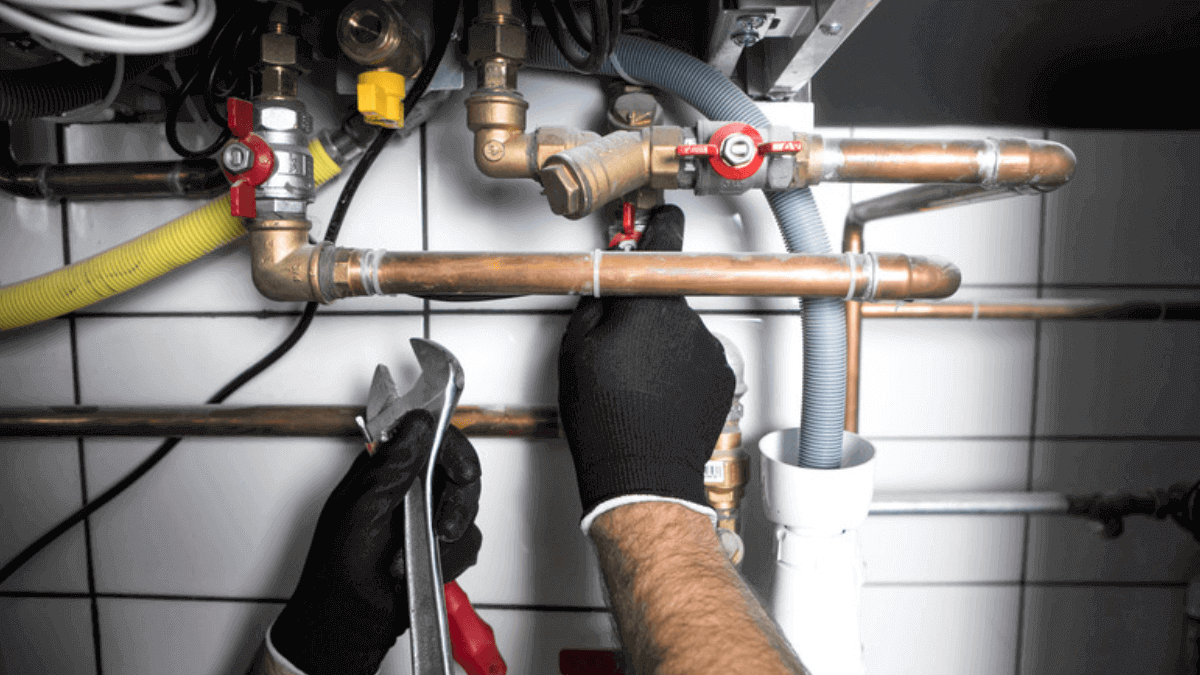
Homes are rarely silent. Water moves behind walls, beneath floors and through ceilings in ways most of us barely register. Yet when a pipe begins to knock, gurgle or whistle unexpectedly, the change is difficult to ignore. It is often at this point that homeowners consider contacting Altona’s Best Plumber, unsure whether the disturbance is harmless or a signal of something more serious.
Unusual plumbing sounds are rarely random. They tend to reflect changes in pressure, flow or stability within the system. While some noises may be brief and inconsequential, others point to strain developing out of sight. Recognising the difference allows for measured action rather than unnecessary alarm.
The Sharp Knock Behind the Wall
A sudden banging or knocking sound particularly after turning off a tap can be disconcerting. The noise typically follows an abrupt change in water flow. When movement stops quickly, pressure shifts within the pipes, and that force can cause them to jolt slightly against surrounding structures.
An isolated incident may not require intervention. However, repeated knocking suggests imbalance. Pipes are designed to remain secure and steady; frequent impact indicates movement where there should be stability. In such cases, speaking with a trusted plumber in Altona can clarify whether the issue stems from pressure irregularities or loose support within the system.
The important distinction is repetition. One sharp sound may be incidental. A pattern, especially if growing louder, deserves attention.
Gurgling After the Water Drains
Gurgling carries a different character. It often emerges from sinks, showers or toilets after water has drained away. The sound resembles air moving through water a hollow glug that lingers briefly before fading.
This typically suggests partial restriction. When water cannot travel freely, air becomes trapped and releases unevenly. The system may continue to function, but it is no longer operating efficiently. Slow drainage often follows.
While it may be tempting to dismiss occasional gurgling, persistent sounds can indicate that a blockage is forming rather than fully established. Consulting an experienced Altona plumbing professional at this stage can prevent a manageable issue from escalating into a complete obstruction.
The sound itself is subtle, but its consistency carries meaning.
Whistling Taps and High-Pitched Tones
A high-pitched whistle when a tap is turned on is particularly noticeable in quieter homes. Unlike banging, which reflects force, whistling points to narrowing. Water forced through a restricted space produces vibration, and vibration produces sound.
If the whistle occurs at a single fixture, the issue may be localised. If it appears throughout the property, the restriction may sit deeper within the system. Either way, the noise indicates altered flow.
These tonal changes are not simply irritations. They reveal that water is encountering resistance. Over time, sustained restriction can place additional strain on components designed for smooth passage. Listening carefully to when and where the whistle occurs offers insight into the scope of the concern.
Subtle Vibrations and Rattling
Not all plumbing noise is dramatic. Sometimes the sound is softer a faint rattling or gentle vibration while water runs. This suggests movement rather than pressure shock.
Pipes should remain relatively stable when in use. Noticeable vibration may indicate insufficient support or shifting within enclosed spaces. Although the sound may seem minor, continuous movement can gradually affect joints and fittings.
In these situations, contacting Altona’s Best Plumber becomes less about urgency and more about prevention. Addressing instability early helps maintain structural integrity before minor movement evolves into something more disruptive.
When Sound Becomes a Signal
The key to interpreting plumbing noise lies in recognising change. Systems under normal conditions produce familiar, predictable sounds. When tone, frequency or intensity shifts, it often reflects internal adjustment.
Homeowners benefit from attentive observation. Consider when the noise occurs. Does it follow a specific appliance being used? Does it happen only after water drains? Is it becoming more frequent? Patterns reveal far more than isolated incidents.
If uncertainty remains, guidance from a reliable plumbing specialist provides reassurance. The goal is not to overreact but to respond appropriately. Pipes are designed for quiet efficiency. When they begin to speak louder than usual, they are often signalling imbalance.
Understanding what these sounds actually mean transforms anxiety into awareness. Rather than fearing the unknown, homeowners can listen with purpose addressing concerns before they grow and maintaining confidence in the systems that quietly support everyday life.
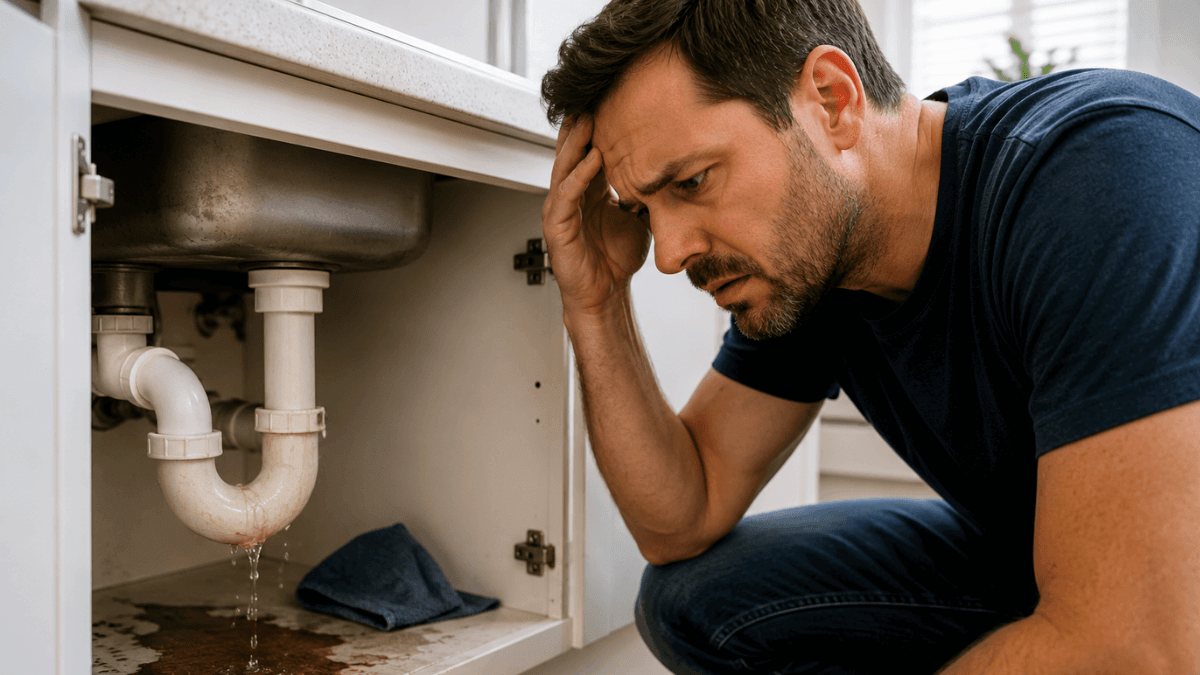
Small Plumbing Problems Rarely Stay Small
Many homeowners dismiss minor plumbing issues because the signs often seem harmless at first. A dripping tap, a strange sound inside the wall, or a slow-draining sink may appear too small to cause concern. Unfortunately, plumbing experts regularly warn that these tiny problems can quickly become expensive and disruptive when ignored for too long.
The biggest issue is that hidden plumbing damage usually develops quietly behind walls, under floors, or beneath outdoor surfaces. By the time visible damage finally appears, repairs can become far more complicated than expected. Water leaks and blocked pipes rarely fix themselves, and even a small issue can slowly weaken important parts of a property.
The Hidden Leak That Causes Major Damage
One of the most overlooked plumbing problems is a small, hidden leak. Many people assume a little moisture or an occasional damp smell is harmless. In reality, a slow leak can gradually damage timber, plaster, insulation, and flooring without obvious warning signs.
Plumbing professionals often recommend paying attention to unusual indicators around the home, including:
- Damp patches on walls or ceilings
- Bubbling paint or peeling surfaces
- Unexpected increases in water bills
- Mould growth or musty smells
- Water pressure changes in taps or showers
A qualified Plumber Maroubra can usually detect hidden leaks before major structural damage develops. Early inspections often save homeowners from far more costly repairs later.
Slow Drains Are More Serious Than They Look
A sink or shower draining slowly is another problem many homeowners delay dealing with. Chemical cleaners may provide temporary relief, but they rarely remove the underlying blockage completely. Over time, grease, soap residue, hair, and debris continue building inside the pipes.
Eventually, the blockage can lead to overflowing drains, pipe damage, unpleasant smells, or wastewater backing into the home. Plumbing experts warn that recurring drain issues should never be treated as a normal household inconvenience. Persistent blockages often signal a larger issue developing deeper within the drainage system.
In some properties, tree roots can also invade underground pipes, creating hidden damage that worsens gradually. Early inspections and professional drain cleaning can prevent far bigger repair work in the future.
Strange Noises Can Signal Pressure Problems
Pipes should not constantly bang, whistle, rattle, or gurgle. While some homeowners ignore these noises for months, plumbing professionals understand that unusual sounds often point to pressure problems, trapped air, loose fittings, or developing pipe damage.
Water hammer is one example commonly found in Australian homes. This occurs when water flow suddenly stops or changes direction, causing pipes to shake loudly behind walls. Although it may seem like a harmless noise, repeated pressure shocks can weaken joints and fittings over time.
Ignoring these warning signs may eventually result in cracked pipes or leaking connections hidden inside the property. A licensed plumber can inspect the system, identify the source, and reduce the risk of future water damage before the issue becomes more serious.
Toilet Problems That Should Never Be Delayed
A toilet that constantly runs, struggles to flush, or refills slowly may appear like a small annoyance rather than a serious plumbing issue. However, these faults can waste significant amounts of water every day while also pointing to hidden mechanical or drainage problems.
Many plumbing specialists encourage homeowners to act quickly when toilet problems continue appearing repeatedly. Warning signs often include:
- Water is pooling around the toilet base
- Gurgling sounds after flushing
- Weak or incomplete flushing
- Frequent blockages
- Constantly running water inside the cistern
These issues may indicate damaged seals, hidden leaks, blocked drains, or sewer line complications. In urgent situations, contacting an emergency plumber in Maroubra can help prevent further property damage and sanitation concerns.
Outdoor Plumbing Often Gets Ignored
Outdoor plumbing systems are commonly overlooked because they are less visible during daily routines. Gutters, stormwater drains, outdoor taps, and underground pipes can slowly develop problems without immediate warning signs.
Blocked gutters and damaged stormwater drains may cause water to pool around the property during heavy rain. Over time, this moisture can weaken foundations, damage landscaping, and contribute to erosion around the home.
Leaking outdoor taps may also waste large amounts of water if ignored for months. Even small drips can significantly increase water usage over time. Regular inspections help identify outdoor plumbing issues before they become difficult and expensive to repair.
Why Fast Action Matters More Than Most People Realise
Many homeowners delay plumbing repairs because the problem still appears manageable. Unfortunately, plumbing systems rarely improve without proper repairs. Minor leaks become larger, blocked drains worsen, and damaged fittings continue deteriorating over time.
Fast action often helps reduce:
- Structural water damage
- Mould and mildew growth
- High water bills
- Emergency repair costs
- Health and sanitation risks
A trusted local plumber Maroubra can usually identify developing problems early and recommend practical solutions before extensive repairs become necessary. Preventive maintenance often saves both time and money in the long run.
Another warning sign many homeowners overlook is a sudden change in water colour or taste. Brown water, metallic smells, or cloudy water can sometimes indicate pipe corrosion, sediment build-up, or hidden plumbing deterioration somewhere within the system. While the issue may occasionally relate to temporary maintenance work, persistent discolouration should never be ignored for long periods. Plumbing professionals often advise arranging inspections quickly when these signs appear unexpectedly. Homeowners searching for a reliable plumber in Maroubra frequently discover that early action prevents larger repair problems later. Delaying inspections may allow damaged pipes to weaken further, increasing the likelihood of leaks, water contamination, or expensive emergency repairs. Paying attention to subtle plumbing changes can help protect both the property and the household’s long-term safety. Even minor plumbing irregularities can sometimes reveal hidden issues developing slowly beneath older homes.
After-Hours Plumbing Problems Can Escalate Quickly
Plumbing emergencies rarely happen at convenient times. Burst pipes, overflowing toilets, blocked drains, and sudden leaks can occur late at night, during weekends, or on public holidays when homeowners least expect them.
This is why many residents rely on a 24/7 plumber in Maroubra when urgent problems appear outside standard business hours. Quick response times can help reduce water damage, protect household safety, and prevent small plumbing failures from becoming major emergencies.
Many experienced professionals also encourage homeowners to schedule regular plumbing inspections even when no obvious issues exist. Small preventative checks often reveal hidden leaks, worn fittings, or drainage concerns before they develop into expensive repairs. Taking minor plumbing problems seriously early can make a significant difference to the long-term condition, safety, and comfort of any home.

Understanding the Financial Landscape in Spring Hill
Spring Hill is home to a mix of professionals, small business owners, and growing households. This variety creates different financial situations, each with its own tax requirements. From salaried employees to self-employed individuals, managing income and expenses correctly is essential for staying compliant and financially stable.
Tax rules can feel confusing, especially when income sources vary or financial situations change during the year. Keeping track of deductions, deadlines, and reporting obligations requires careful attention. A clear understanding of these factors helps individuals make better financial decisions and avoid unnecessary stress during tax time.
Why a Tax Accountant in Spring Hill Matters
Working with a tax accountant in Spring Hill can make a noticeable difference in how finances are managed. A local accountant understands the specific needs of people living and working in the area, including common deductions and typical income structures. This local knowledge helps in preparing accurate and efficient tax returns.
A tax accountant in Spring Hill also provides guidance beyond basic tax filing. They assist with organising financial records, identifying potential savings, and ensuring compliance with regulations. This support allows individuals and businesses to focus on their daily activities while knowing their tax matters are handled properly.
Common Tax Challenges Faced by Individuals and Businesses
Many people in Spring Hill face similar tax-related challenges, especially when dealing with multiple income streams or changing financial situations. These challenges can lead to confusion or errors if not handled correctly.
Some common issues include:
- Managing income from different sources such as employment, freelance work, or investments
- Keeping accurate and organised financial records
- Understanding eligible deductions and claims
- Meeting deadlines for tax lodgement
- Handling business-related tax obligations
Addressing these challenges early can help prevent complications and ensure smoother financial management throughout the year.
How a Tax Accountant in Spring Hill Supports Better Planning
A tax accountant in Spring Hill plays an important role in financial planning, not just tax preparation. By reviewing income, expenses, and financial goals, they can provide practical advice that helps improve overall financial outcomes. This includes identifying ways to manage tax obligations more effectively.
Planning ahead allows individuals and businesses to make informed decisions about spending, saving, and investing. With the help of a tax accountant in Spring Hill, it becomes easier to stay prepared for future tax responsibilities while maintaining better control over finances.
Key Benefits of Professional Tax Support
Working with a tax professional offers several advantages that go beyond convenience. These benefits can have a lasting impact on financial health and decision-making.
Some key benefits include the following:
- Accurate tax calculations and reduced risk of errors
- Better understanding of deductions and allowances
- Time savings by avoiding complex paperwork
- Guidance on financial planning and compliance
- Support in case of audits or reviews
These benefits help individuals and businesses stay organised and confident when managing their tax responsibilities.
Avoiding Costly Errors with a Tax Accountant in Spring Hill
Mistakes in tax reporting can lead to penalties, delays, or missed financial opportunities. A tax accountant in Spring Hill helps identify and prevent these issues before they become serious problems. Their experience allows them to spot errors that may not be obvious to someone without a financial background.
Common mistakes include incorrect income reporting, missed deductions, and incomplete documentation. By working with a tax accountant in Spring Hill, individuals can ensure that all financial details are handled correctly, reducing risks and improving accuracy.
What to Look for in a Reliable Tax Accountant
Choosing the right tax accountant is an important step in managing finances effectively. Not all professionals offer the same level of service, so it is important to consider certain qualities before making a decision.
Some important factors to look for include:
- Experience with local tax requirements
- Clear and simple communication
- Strong attention to detail
- Transparent pricing and services
- Positive reputation within the community
Selecting the right accountant ensures a smoother experience and better financial outcomes over time.
Building Confidence in Financial Decisions
Managing taxes is not just about meeting annual obligations; it is also about gaining confidence in financial decisions. With the right support, individuals and businesses can better understand their financial position and plan for the future.
A structured approach to tax management helps reduce stress and improve overall financial stability. Over time, this leads to better control, clearer goals, and more informed decision-making when it comes to income, expenses, and long-term planning.
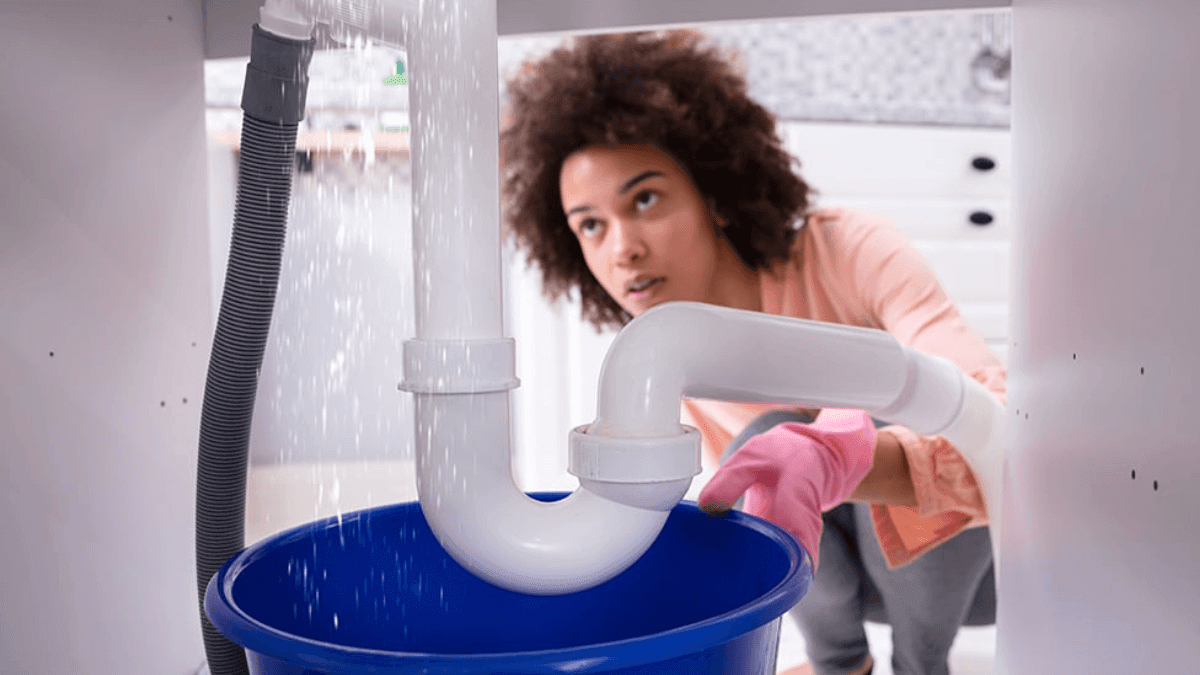
Plumbing systems are essential for daily comfort, yet they are often overlooked until something goes wrong. From minor leaks to major drainage issues, plumbing problems can disrupt normal routines and lead to expensive repairs if ignored. Many homeowners eventually rely on a Plumber Seven Hills when they start noticing warning signs such as dripping taps, slow drains, or unusual water pressure changes.
Modern homes rely heavily on complex plumbing networks that manage water supply, heating systems, and wastewater drainage. Over time, wear and tear, environmental conditions, and improper use can cause a variety of plumbing issues. Understanding the most common plumbing problems can help homeowners act quickly and prevent serious damage.
Leaking Taps and Fixtures
One of the most frequent issues reported by homeowners is leaking taps. A small drip may seem harmless, but it can waste a significant amount of water over time. Many households contact a Plumber Seven Hills when a tap continues leaking despite simple repairs.
Leaking fixtures are usually caused by worn-out washers, damaged seals, or faulty internal components. Over time, these small parts lose their ability to maintain a tight seal, allowing water to escape.
Common signs of leaking fixtures include:
- Constant dripping sounds
- Water stains around sinks or basins
- Higher-than-usual water bills
- Rust or mineral buildup around taps
Repairing leaks early helps conserve water and prevents further damage to plumbing fixtures.
Blocked Drains
Blocked drains are another issue that many homeowners experience. Drainage systems often collect debris such as food scraps, soap residue, grease, and hair. Over time, these materials accumulate and restrict water flow.
Slow drainage is often the first warning sign. If left untreated, blockages can worsen and cause water to back up into sinks, showers, or bathtubs.
Typical causes of blocked drains include:
- Grease and oil poured down kitchen sinks
- Hair buildup in bathroom drains
- Soap residue is collecting in pipes
- Food particles entering the drainage system
Regular drain maintenance can help prevent severe blockages and keep the plumbing system operating smoothly.
Low Water Pressure
Low water pressure can make everyday tasks such as showering or washing dishes frustrating. This issue may occur gradually or appear suddenly, depending on the underlying cause.
Several factors may contribute to low water pressure, including:
- Mineral buildup inside pipes
- Hidden leaks in the plumbing system
- Faulty pressure regulators
- Corroded pipes in older properties
In the middle stages of diagnosing water pressure problems, homeowners often consult a Plumber Seven Hills to inspect the system and determine the exact cause.
Professional inspections can identify whether the issue lies in the internal plumbing system or the external water supply connection.
Running Toilets
A running toilet is another common plumbing issue that can waste large amounts of water. In many cases, the problem occurs because internal components in the toilet tank stop working properly.
Running toilets are typically caused by:
- Faulty flapper valves
- Worn-out float mechanisms
- Improperly adjusted fill valves
- Sediment buildup in tank components
Even though the problem may seem minor, a constantly running toilet can significantly increase water usage if not fixed quickly.
Pipe Leaks
Pipe leaks are among the most serious plumbing issues homeowners may face. Unlike dripping taps, leaks inside walls or under floors can remain hidden for long periods. By the time the problem becomes visible, it may have already caused structural damage.
Common signs of hidden pipe leaks include:
- Damp spots on walls or ceilings
- Unexpected increases in water bills
- Mould or mildew growth
- Unusual water sounds behind walls
Addressing leaks quickly helps protect the structure of the property and prevents further plumbing complications.
Hot Water System Issues
Hot water systems play an important role in modern homes. When they malfunction, daily routines can become inconvenient.
Common hot water system problems include:
- Inconsistent water temperature
- Water taking too long to heat
- Strange noises are coming from the system
- Reduced hot water supply
These problems may be related to heating elements, sediment buildup, or aging equipment. Professional maintenance can extend the life of hot water systems and ensure consistent performance.
Why Professional Plumbing Services Matter
While some plumbing issues may appear simple, many problems require specialised knowledge and equipment to repair properly. Professional plumbers understand how to diagnose hidden issues and restore plumbing systems efficiently.
Key benefits of professional plumbing services include:
- Accurate problem diagnosis
- Safe and reliable repairs
- Long-term solutions rather than temporary fixes
- Protection against further damage
- Improved plumbing efficiency
Regular inspections and timely repairs help homeowners avoid expensive emergencies and maintain a reliable plumbing system.
Conclusion
Plumbing problems are common in many homes, but they should never be ignored. Issues such as leaking taps, blocked drains, low water pressure, running toilets, and hidden pipe leaks can gradually worsen if left untreated.
Recognising early warning signs and addressing them quickly helps prevent costly repairs and property damage. Maintaining a well-functioning plumbing system ensures a consistent water supply, efficient drainage, and greater peace of mind for homeowners.
FAQs
1. What is the most common plumbing problem in homes?
Leaking taps and blocked drains are among the most frequently reported plumbing issues in residential properties.
2. Why do drains become blocked over time?
Drains often accumulate debris such as grease, soap residue, hair, and food particles, which gradually restrict water flow.
3. What causes low water pressure in a house?
Low water pressure may result from pipe blockages, leaks, mineral buildup, or issues with the water supply system.
4. Is a running toilet a serious problem?
Yes. A running toilet can waste a large amount of water and increase utility bills if not repaired.
5. When should a homeowner call a plumber?
Professional help is recommended when plumbing problems persist, worsen, or involve hidden leaks, major blockages, or hot water system issues.

The “It’s Probably Nothing” Plumbing Problem Experts Warn You Should Never Ignore

Why Dependable Taxi Services Still Matter in a Fast-Moving Digital World

Why Reliable Local Transport Matters More Than Most People Realise

Melbourne’s Best Seaside Dining: 5 Must-Try Restaurants by the Water

Support That Transforms: How SIL Providers Help You Achieve Your Full Potential

Plant-Powered Plates: Top 5 Vegan & Vegetarian Restaurants on the Gold Coast
-
 Food1 year ago
Melbourne’s Best Seaside Dining: 5 Must-Try Restaurants by the Water
-
 Healthcare1 year ago
Support That Transforms: How SIL Providers Help You Achieve Your Full Potential
-
 Food1 year ago
Plant-Powered Plates: Top 5 Vegan & Vegetarian Restaurants on the Gold Coast
-

 Healthcare1 year ago
Comprehensive Oral Health Solutions at a Leading Dental Clinic: Quality Care for Every Stage of Life
-

 Food1 year ago
The Allergy You Can’t See: How to Detect and Manage Silent Food Reactions
-

 Food1 year ago
Balance Your Plate, Boost Your Mood: Beginner’s Guide to Eating Well
-

 Healthcare1 year ago
Looking to Enhance Your Child’s Skills? How OT for Kids Promotes Personal Development
-

 Healthcare1 year ago
Improving Your Everyday Life: The Incredible Benefits of Working with an Occupational Therapist