
Healthcare
Improving Your Everyday Life: The Incredible Benefits of Working with an Occupational Therapist


Life on the Gold Coast is often filled with sunshine, beaches, and a laid-back lifestyle. But for some, even the most basic tasks can feel like a chore. Whether it’s getting out of bed, making a cup of tea, or running errands, life can become challenging due to injury, illness, or disability. That’s where occupational therapists (OTs) come in.
Occupational therapists are the unsung heroes who help people get back to their best – physically, emotionally, and mentally. They’re not just for those with disabilities; OTs can work with anyone struggling to manage their daily tasks. Let’s dive into why working with an occupational therapist on the Gold Coast might just be the solution you’ve been looking for.
What Exactly Does an Occupational Therapist Do?
An occupational therapist’s job is to help people do the things they need, want, or are expected to do in their daily life. This could involve:
- Recovering from injury or illness: OTs help you regain independence after surgery, injury, or a health setback.
- Adapting to disability: They work with people with disabilities to enhance their ability to perform tasks in everyday life.
- Improving mental well-being: Mental health challenges, such as anxiety or depression, can impact your daily routines. OTs work with you to build strategies that help you cope and function better.
So, if you’ve ever struggled to get through your day-to-day life, whether due to a physical, emotional, or mental block, an occupational therapist could be your solution.
How Can an Occupational Therapist Help You?
Here’s a breakdown of some of the ways an occupational therapist on the Gold Coast can help improve your everyday life:
1. Enhancing Independence
One of the main goals of an OT is to make sure you can do things independently. Whether it’s dressing yourself, cooking, or managing your personal care, OTs will provide strategies and tools to make these tasks easier and more manageable.
- Adaptive Equipment: OTs can recommend gadgets or modifications, like grab bars in the bathroom or voice-controlled smart home devices, to make your home safer and more accessible.
- Task Modification: They teach you how to approach tasks differently, so you don’t get overwhelmed or hurt yourself.
2. Pain Management
Chronic pain can turn everyday tasks into insurmountable obstacles. Occupational therapists work with clients to identify the source of pain and suggest ways to alleviate it.
- Pain-Relieving Strategies: From gentle exercises to relaxation techniques, OTs can introduce methods that make movement easier and more comfortable.
- Ergonomics: They can also show you how to adjust your workspace to avoid repetitive strain injuries, which is essential if you’re working from home or sitting at a desk all day.
3. Supporting Mental Health
It’s not just about physical health – mental health is equally important. OTs provide invaluable support to those suffering from anxiety, depression, and stress. They help with:
- Developing Routines: When life feels overwhelming, routines can bring structure and calm. OTs can help you build a routine that supports your mental well-being.
- Stress-Management Tools: Learning to manage stress through mindful activities, breathing exercises, or even physical movement can drastically improve quality of life.
4. Children and Learning Support
If you’ve got kids on the Gold Coast, OTs can be incredibly helpful in supporting their development. Whether your child has a developmental delay, ADHD, or struggles with sensory processing, an OT can provide strategies to help them thrive.
- Sensory Integration: For kids who struggle with sensory issues, OTs use techniques to help them manage sensory overload in everyday environments.
- Social Skills Development: OTs help children develop the skills to interact with peers and adults, boosting confidence and self-esteem.
The Benefits of Working with an Occupational Therapist on the Gold Coast
An occupational therapist Gold Coast is more than just a health professional – they’re someone who can transform the way you live. Here are some key benefits:
- Increased Independence: You’ll be able to perform tasks with less help from others.
- Improved Quality of Life: An OT helps you manage pain, fatigue, or disability to lead a more comfortable life.
- Better Mental Health: Reducing stress and creating a balanced routine can significantly impact your emotional and mental well-being.
- Support at Every Age: OTs can work with children, adults, and seniors, making their services valuable at every stage of life.
Who Can Benefit from Occupational Therapy?
Occupational therapy isn’t just for people with physical disabilities – it’s for anyone who faces challenges in their daily life. Here’s a list of people who can benefit from the services of an occupational therapist in Gold Coast:
- People recovering from surgery or injury – to regain function and strength.
- Individuals with chronic conditions – like arthritis or Parkinson’s disease, who need assistance with daily tasks.
- Children with developmental delays – to improve their motor skills, social skills, and sensory processing.
- Adults with mental health conditions – such as anxiety, depression, or PTSD, to help manage everyday tasks and routines.
The beauty of occupational therapy is that it’s personalised to fit the needs of the individual. Whether you need help with mobility, self-care, or managing your emotions, an OT can provide targeted support.
Data on the Impact of Occupational Therapy
Let’s take a look at some data that shows just how effective occupational therapy can be in improving quality of life. The following table gives insight into the positive outcomes occupational therapy can provide for different patient groups:
| Statistic | Data | Source |
| Improvement in functional skills (mobility, self-care) | 75-80% of patients report improvement | Australian Occupational Therapy Association (AOTA) |
| Reduction in pain with occupational therapy interventions | 60% of patients experience significant pain reduction | Journal of Rehabilitation Research (2021) |
| Improvement in mental health | 70% of clients report better mood and stress management | Australian Occupational Therapy Journal (2020) |
| Children’s developmental progress with OT support | 85% of children show improvements in motor and social skills | Pediatrics Journal, Australia (2021) |
As the table shows, a large number of people experience improvements in various areas of life with the support of occupational therapy, whether it’s pain reduction, mental health benefits, or developmental progress in children.
Conclusion
Whether you’re dealing with the aftermath of an injury, struggling with daily tasks due to a disability, or simply looking for ways to improve your mental well-being, working with an occupational therapist on the Gold Coast could be your ticket to a better life.
An OT offers more than just practical help – they empower you to regain independence, improve your daily routines, and manage pain or mental health challenges. If you think occupational therapy might be right for you, it’s time to reach out and see how it can help you live your best life.
FAQs
- How long does occupational therapy take to show results? Depending on the individual, most people see improvements within a few weeks to months.
- What types of conditions can an occupational therapist treat? OTs can treat a wide variety of conditions, including injuries, disabilities, mental health issues, and developmental delays.
- Do I need a referral to see an occupational therapist? A referral may be required by some clinics, but many OTs also accept self-referrals.
- Are occupational therapy services covered by health insurance? Yes, many private health insurance plans cover occupational therapy, but it’s best to check with your provider.
- Can an occupational therapist help with home modifications? Absolutely! OTs can suggest modifications to your home to make it more accessible, such as installing grab bars or rearranging furniture.


What Is Exercise Physiology and Why Does It Matter?
Exercise physiology is a health service focused on improving physical function, movement, strength, and overall wellbeing through structured exercise programmes. It is commonly used for people living with disabilities, injury, chronic health conditions, or mobility challenges. Unlike general fitness programmes, these sessions are designed around medical needs, physical ability, and personal goals.
For many people, daily movement can become harder due to pain, weakness, poor balance, or limited coordination. Exercise physiology aims to reduce these barriers with guided support. This can make everyday tasks easier, improve confidence, and increase independence over time.
How NDIS Participants Can Access This Support
Many eligible participants use NDIS Exercise Physiology Sydney services through their approved plans. Support is usually funded when exercise physiology is considered reasonable and necessary in helping a person improve capacity, mobility, or health outcomes connected to disability.
Access may depend on individual goals and funding categories. Participants often discuss options with their support coordinator, planner, or allied health provider. Once included, sessions may take place in clinics, homes, gyms, or community settings, depending on personal needs and provider availability.
Building Strength and Everyday Function
One of the biggest benefits of exercise physiology is improved physical function. Simple tasks such as standing from a chair, walking longer distances, carrying items, or climbing stairs can become easier with the right programme. Sessions are carefully structured so progress happens safely and gradually.
Exercises may focus on:
- Strength building
- Balance improvement
- Coordination training
- Mobility support
- Flexibility work
- Endurance development
These improvements can have a major impact on day-to-day independence and quality of life.
Managing Long-Term Health Conditions
Many people use NDIS exercise physiology support in Sydney to help manage chronic conditions alongside disability. Conditions such as diabetes, obesity, arthritis, heart disease, neurological disorders, and chronic pain often respond well to guided movement programmes.
Exercise physiologists understand how to adapt activity levels for different health needs. Rather than pushing too hard, they design practical routines that support better health while staying realistic and safe. This can reduce discomfort, improve stamina, and support long-term wellbeing.
Confidence, Motivation, and Mental Wellbeing
Physical progress is important, but emotional benefits also matter. When someone feels stronger or notices easier movement, confidence often grows. Achieving small goals each week can improve motivation and create a more positive mindset.
Many participants also enjoy the routine and social connection that regular sessions provide. Structured support can help reduce feelings of isolation, especially when exercise takes place in community environments. Feeling active and capable often leads to stronger mental wellbeing.
Personalised Programs That Match Individual Goals
No two participants have the same needs, which is why NDIS Exercise Physiology Sydney services are tailored to the individual. A provider may assess current ability, health history, mobility limits, and future goals before creating a plan.
Goals may include:
- Walking independently
- Improving posture
- Reducing falls risk
- Returning to sport or hobbies
- Increasing community participation
- Managing pain through movement
Personalised planning often leads to better results because the programme matches real-life needs instead of using a generic routine.
Support Across Different Ages and Abilities
Exercise physiology can support children, adults, and older participants. Younger people may benefit from movement development, coordination, or strength building. Adults may focus on independence, work readiness, or community access. Older participants may aim to maintain mobility and reduce fall risk.
This flexibility makes the service valuable across many life stages. Programmes can also change over time as needs, goals, or health conditions evolve. That means support remains relevant rather than fixed.
Choosing the Right Provider in Sydney
Finding the right provider is an important step when considering NDIS exercise physiology Sydney options. Experience, communication style, and understanding of disability support can all influence the quality of care. A strong provider relationship often helps participants stay engaged and consistent.
Helpful things to look for include:
- Experience with NDIS participants
- Clear communication
- Flexible appointment options
- Home or community visit availability
- Goal-focused planning
- Regular progress reviews
Many Sydney participants prefer providers who listen carefully and adjust sessions as needs change.
Why Consistency Delivers Better Results
Like most health supports, results usually improve with consistency. One session may be helpful, but steady participation often leads to stronger long-term change. Small improvements in balance, strength, and movement can build significantly over time.
Participants using NDIS Exercise Physiology Sydney services often notice progress in areas that matter most to daily life, such as walking further, feeling steadier, reducing fatigue, or needing less assistance with tasks. Consistent support can turn gradual gains into lasting independence.
A Practical Step Towards Greater Independence
Exercise physiology is more than exercise alone. It is a practical health service designed to help people move better, feel stronger, and live with greater confidence. With the right support, participants can work towards meaningful goals that improve both health and independence.
For many individuals, NDIS exercise physiology support in Sydney provides a clear pathway towards better function, stronger wellbeing, and a more active lifestyle.

Introduction: Why Your Gut Health Matters
Your gut does far more than digest food — it affects immunity, energy, mood, skin, inflammation, and even sleep quality. When your gut microbiome (the trillions of bacteria living in your digestive system) becomes unbalanced, symptoms like bloating, fatigue, constipation, diarrhoea, low mood, sugar cravings, poor immunity, and skin issues can show up.
The good news? Your gut can repair itself remarkably well — if you give it the right environment.
This four-week Gut Repair Plan is designed to reset your digestion, remove inflammatory triggers, rebuild beneficial bacteria, and support long-term gut resilience. It’s practical, flexible, and tailored to everyday Australian lifestyles.
Week 1: Reset & Remove – Clearing Out the Gut Stressors
The first step in any effective Gut Repair Plan is removing what’s irritating or inflaming your digestive system. Think of this week as a “spring clean” for your gut.
1. Cut Out Common Irritants
Reduce or avoid:
- Ultra-processed foods
- Refined sugars
- Excess caffeine
- Alcohol
- Fried foods
- Soft drinks
- Artificial sweeteners
- Highly processed takeaway meals
2. Identify Trigger Foods
For many Australians, common triggers include:
- Gluten
- Dairy
- Soy
- Excessive spicy foods
- High-sugar bakery snacks
You don’t need to cut everything at once, but pay attention to what worsens bloating, gas, or discomfort.
3. Hydrate Like a Pro
Aim for 2–2.5 litres of water daily. Hydration:
- Improves bowel movement
- Supports detoxification
- Helps regulate stomach acid and digestion
Throw in a slice of lemon or cucumber for added flavour (and motivation).
4. Load Up on Whole Foods
Focus on:
- Fresh fruits and veggies
- Lean proteins
- Good fats (avocado, olive oil, nuts)
- Whole grains like oats, quinoa and brown rice
Tip: If your gut is very sensitive, start with softer, cooked vegetables rather than raw salads.
Week 2: Restore – Rebuilding Your Gut Microbiome
Now that the irritants are out, it’s time to replenish your gut with nutrients and beneficial bacteria.
1. Add Probiotic Foods
These foods deliver live “good” bacteria:
- Yoghurt (Greek or natural, unsweetened)
- Kefir
- Sauerkraut (Australian brands like Gutsy or Kehoe’s Kitchen are great)
- Kimchi
- Kombucha
- Miso
If dairy bothers you, choose coconut-based or plant-based alternatives.
2. Add Prebiotic Foods
Prebiotics are the fibre that feeds your good bacteria:
- Bananas (especially slightly green)
- Oats
- Asparagus
- Garlic & onions
- Leeks
- Chickpeas & lentils
- Whole grains
Aim for a mix of these daily.
3. Support Stomach Acid & Digestion
Try adding:
- Lemon water in the morning
- Ginger tea
- Apple cider vinegar (1 tsp before meals – only if tolerated)
These can help reduce indigestion and bloating.
Week 3: Rebuild – Healing the Gut Lining
The gut lining is your digestive system’s protective barrier. When it becomes “leaky”, inflammation rises and symptoms worsen.
This week focuses on strengthening that barrier.
1. Include Gut-Healing Foods
- Bone broth (homemade or store-bought from Coles/Woolies health aisles)
- Chia seeds
- Flaxseeds
- Pumpkin seeds
- Blueberries
- Sweet potato
- Steamed or roasted veggies
These provide amino acids, antioxidants, and minerals needed to repair the gut wall.
2. Add Anti-Inflammatory Foods
Cutting inflammation helps reduce irritation to the digestive lining.
Focus on:
- Turmeric
- Extra virgin olive oil
- Oily fish (salmon, sardines, mackerel)
- Leafy greens
- Berries
- Nuts & seeds
3. Reduce Stress on the Gut
Chronic stress is one of the biggest disruptors of gut health.
Try:
- Deep breathing
- Nature walks
- Light yoga or stretching
- Limiting screens before bed
Even small changes can make a big difference.
Week 4: Renew – Lock In Healthy Habits for Life
Now that your gut microbiome and lining are improving, the goal is to make these changes sustainable.
1. Reintroduce Foods Slowly
If you eliminated gluten, dairy, or other triggers, start reintroducing them one at a time:
- Try one food for a day
- Watch for symptoms over 48 hours
- Only reintroduce the next food if you feel fine
This helps identify food sensitivities without guesswork.
2. Build a Balanced Weekly Menu
Aim for:
- 70% whole foods
- 30% “flexible” eating
This prevents burnout while still supporting gut health long-term.
3. Continue Your Gut-Friendly Lifestyle
Daily habits that help:
- 7–8 hours of sleep
- Regular movement
- Eating slowly
- Staying hydrated
- Minimising processed foods
Consistency beats perfection.
Sample Daily Meal Plan for Your Gut Repair Plan
Breakfast
- Greek yoghurt with oats, blueberries, and chia seeds
- OR warm oats with banana and cinnamon
Lunch
- Grilled salmon and quinoa salad with leafy greens and olive oil
- OR chicken and veggie soup
Snack
- A handful of almonds
- OR kombucha and a piece of fruit
Dinner
- Stir-fried veggies with tofu or chicken
- OR baked sweet potato with steamed greens
Signs Your Gut Is Improving
Within four weeks, you may notice:
- Less bloating
- More stable energy
- Clearer skin
- Better bowel habits
- Improved mood
- Reduced cravings
- Better focus
- Enhanced immunity
Gut repair doesn’t happen overnight, but these early wins show that your body is responding.
Conclusion: Your Gut Repair Plan Starts Today
A healthier gut means a healthier you. This four-week Gut Repair Plan gives your body the chance to repair, reset and thrive — without extreme dieting, expensive supplements, or unrealistic routines.
By focusing on mindful eating, nourishing foods, hydration, rest, and gradual rebalancing, anyone can rebuild their gut health and feel the difference from the inside out.
Also Read This: Comprehensive Oral Health Solutions at a Leading Dental Clinic: Quality Care for Every Stage of Life
Healthcare
Comprehensive Oral Health Solutions at a Leading Dental Clinic: Quality Care for Every Stage of Life

Oral health is a critical part of overall well-being, and it’s essential to have the right care throughout life. From children’s first visits to the dentist to senior oral health, a Dental Clinic provides solutions tailored to every stage of life. Whether it’s routine checkups or more complex treatments, visiting a dental clinic in Darwin ensures you receive high-quality care that promotes long-term oral health.
In this article, we’ll explore the oral health needs at different stages of life, how a Dental Clinic in Darwin can support those needs, and the benefits of comprehensive dental services.
Importance of Early Oral Health Care
Children’s teeth are a significant part of their overall health, and it’s vital to start with the right care early. Regular dental visits help to establish healthy habits, prevent future issues, and address any problems before they develop.
First Visits Matter
Introducing children to the dentist early can reduce dental anxiety later in life and help build a foundation for lifelong oral health.
Preventive Care
Regular checkups help detect issues such as cavities or misaligned teeth, which can be addressed early for better outcomes.
Oral Health for Teens: A Critical Stage
Teenagers face unique challenges when it comes to oral health, such as braces, wisdom teeth, and the effects of diet and habits. A Dental Clinic in Darwin offers services tailored to these needs.
Braces and Aligners
Braces or clear aligners are commonly used to straighten teeth and correct bite issues during the teenage years. A dental clinic provides the expertise to manage this process.
Wisdom Teeth
Teens often experience the eruption of wisdom teeth. Regular dental visits ensure proper monitoring and timely intervention if needed.
Maintaining Oral Health in Adulthood
As adults, maintaining a healthy smile requires routine dental care, good hygiene habits, and addressing any developing issues before they become major problems. Dental Clinic professionals in Darwin provide a range of services designed to keep your teeth and gums healthy.
Routine Checkups and Cleanings
Regular checkups every six months are essential to prevent cavities, gum disease, and other oral health issues.
Cosmetic Dentistry
Many adults seek cosmetic treatments, including teeth whitening, veneers, or dental implants to enhance their smiles and confidence.
Gum Health
Gum disease can start as a minor issue but, if left untreated, can lead to tooth loss. A dental clinic helps in early detection and treatment of gum disease.
Here is the information from the chart in a simple table format:
| Age Group | Oral Health Needs (%) |
| Children | 75% |
| Teens | 70% |
| Adults | 85% |
| Seniors | 60% |
This table summarises the varying levels of oral health needs across different age groups, helping to understand how care requirements evolve with age.
Senior Oral Health: Special Care Needed
Oral health becomes even more important as we age. Seniors face challenges such as dry mouth, tooth sensitivity, and tooth loss. The Dental Clinic in Darwin provides specialised care to help maintain dental health into the senior years.
Handling Tooth Loss
Dental implants or dentures are common solutions for missing teeth, helping seniors maintain their ability to eat, speak, and smile comfortably.
Preventing Dry Mouth
Medications or age-related conditions can cause dry mouth, leading to tooth decay and gum disease. A dental clinic can offer strategies and treatments to address this issue.
Maintaining Gums and Teeth
As gums can recede with age, regular dental checkups help prevent complications and ensure healthy teeth and gums well into later years.
The Role of a Dental Clinic in Your Oral Health Journey
A Dental Clinic in Darwin provides a full spectrum of services, ensuring that people at every age receive the appropriate care for their needs. The right clinic doesn’t just treat problems; it helps prevent them by offering education, regular checkups, and early interventions.
Comprehensive Services
From children’s first checkups to advanced treatments like implants, a dental clinic offers everything you need to maintain a healthy smile.
State-of-the-Art Technology
Modern dental clinics use advanced technology such as digital X-rays, laser treatments, and 3D imaging to provide the best care possible.
Personalised Care
Dental professionals in Darwin create customised treatment plans to meet the specific needs of each patient, ensuring that the care provided is both effective and comfortable.
Conclusion
Your oral health plays a crucial role in your overall well-being, and a Dental Clinic in Darwin provides the necessary care for every stage of life. From preventive care for children to specialised treatments for seniors, the services offered at a dental clinic are essential in maintaining a healthy and confident smile. Regular checkups, treatments tailored to specific age groups, and personalised care can ensure that your oral health remains a top priority throughout your life. Investing in expert dental care today will help you avoid costly issues in the future and keep you smiling for years to come.
FAQs
1. How often should I visit a dental clinic for a checkup?
It’s recommended to visit the dentist every six months for a routine checkup and cleaning, though some individuals may need more frequent visits depending on their oral health.
2. At what age should children start visiting the dentist?
It’s a good idea to schedule a child’s first visit to the dentist around their first birthday or when their first tooth appears.
3. Can cosmetic dentistry improve the appearance of my teeth?
Yes, treatments like teeth whitening, veneers, and bonding can dramatically improve the appearance of your smile.
4. What are the benefits of dental implants for seniors?
Dental implants restore the function and appearance of missing teeth, improving speech, chewing, and overall quality of life.
5. Can a dental clinic help with dry mouth in older adults?
Yes, a dental clinic can recommend treatments and lifestyle changes to help manage dry mouth, which can reduce the risk of tooth decay and gum disease.

The “It’s Probably Nothing” Plumbing Problem Experts Warn You Should Never Ignore

Why Dependable Taxi Services Still Matter in a Fast-Moving Digital World

Why Reliable Local Transport Matters More Than Most People Realise

Melbourne’s Best Seaside Dining: 5 Must-Try Restaurants by the Water

Support That Transforms: How SIL Providers Help You Achieve Your Full Potential

Plant-Powered Plates: Top 5 Vegan & Vegetarian Restaurants on the Gold Coast
-
 Food1 year ago
Melbourne’s Best Seaside Dining: 5 Must-Try Restaurants by the Water
-
 Healthcare1 year ago
Support That Transforms: How SIL Providers Help You Achieve Your Full Potential
-
 Food1 year ago
Plant-Powered Plates: Top 5 Vegan & Vegetarian Restaurants on the Gold Coast
-

 Healthcare1 year ago
Comprehensive Oral Health Solutions at a Leading Dental Clinic: Quality Care for Every Stage of Life
-

 Food1 year ago
The Allergy You Can’t See: How to Detect and Manage Silent Food Reactions
-

 Food1 year ago
Balance Your Plate, Boost Your Mood: Beginner’s Guide to Eating Well
-

 Healthcare1 year ago
Looking to Enhance Your Child’s Skills? How OT for Kids Promotes Personal Development
-
 Healthcare1 year ago
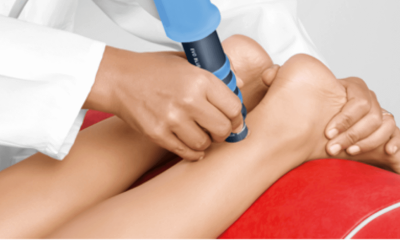
Tired of Plantar Fasciitis Pain? Shockwave Therapy Could Help You Get Back on Your Feet