
Eco Friendly
The Green Guilt-Free Guide to Gift Giving


Gift-giving is a beautiful tradition, but it often comes with a trail of plastic, packaging and waste. In our rush to show love, we sometimes forget the impact our presents have on the planet.
This guide is here to help you give more mindfully. From eco-conscious ideas to sustainable wrapping, we’ll show you how to make every gift a green one.
Why Go Green with Gifts?
Eco-friendly gifting reduces waste, pollution and carbon footprints. It’s a simple way to care for the Earth while celebrating life’s special moments.
You also support small businesses and ethical makers, which makes your gift even more meaningful. Plus, there’s joy in knowing your present helps, not harms.
Top Eco-Friendly Gift Ideas
Give something reusable like stainless steel bottles or beeswax wraps. These gifts are practical, stylish, and reduce single-use items.
Handmade gifts are full of love — think homemade candles, bath salts or fresh bakes. Experience gifts are another hit, like cooking classes or eco-tour adventures.
You can also go digital with eBooks or online subscriptions. Or explore vintage shops for secondhand treasures with stories to tell.
Gift Type Comparison Table:
| Gift Type | Example Ideas | Eco Benefit |
|---|---|---|
| Reusable Items | Water bottles, beeswax wraps | Reduces single-use plastics |
| Handmade | Soaps, candles, baked goods | Personal and low-impact |
| Experiences | Spa days, classes, eco tours | Creates memories, not waste |
| Digital Gifts | Ebooks, courses, subscriptions | No physical product or packaging |
| Secondhand Finds | Books, upcycled fashion | Gives new life to existing items |
Sustainable Gift Wrapping Tips
Glitter and foil wraps might sparkle, but they’re not recyclable. Choose recycled kraft paper, newspaper or cloth wraps for a charming, eco look.
Add twine, dried oranges, or sprigs of rosemary to make your package pop. Encourage your loved ones to reuse the wrapping again.
Eco Wrapping Options Chart:
- Fabric Wrap (Furoshiki): Reusable & Stylish
- Kraft Paper: Recyclable & Rustic Charm
- Newspaper: Upcycled & Creative
- Dried Herbs/Twine: Natural Accents
How to Shop Smart & Sustainably
Look for trusted eco labels like Fair Trade or FSC. These symbols mean your gift supports ethical production and sustainable practices.
Choose local or handmade items when possible. Planning ahead also helps avoid panic buying and wasteful choices.
Checklist for Eco-Friendly Shopping:
- Check for certifications (Fair Trade, FSC, Organic)
- Buy from local or small makers
- Prioritise quality over quantity
- Avoid excessive packaging
Gifting Without the “Stuff”
Not every gift needs to be a thing. Offer your time, skills or heartfelt gestures instead.
Donate to a charity in their name, plant a tree, or simply spend quality time together. These gifts often mean the most.
Non-Material Gift Ideas:
- Volunteer day together
- Skill-sharing (e.g. teach baking or yoga)
- Video message or memory album
- Nature walk or picnic
Final Thoughts
A thoughtful, green gift brings double joy — to your loved one and to the planet. It’s a small act with big impact.
Let’s gift with intention and heart. After all, the best presents are those that leave memories, not waste.


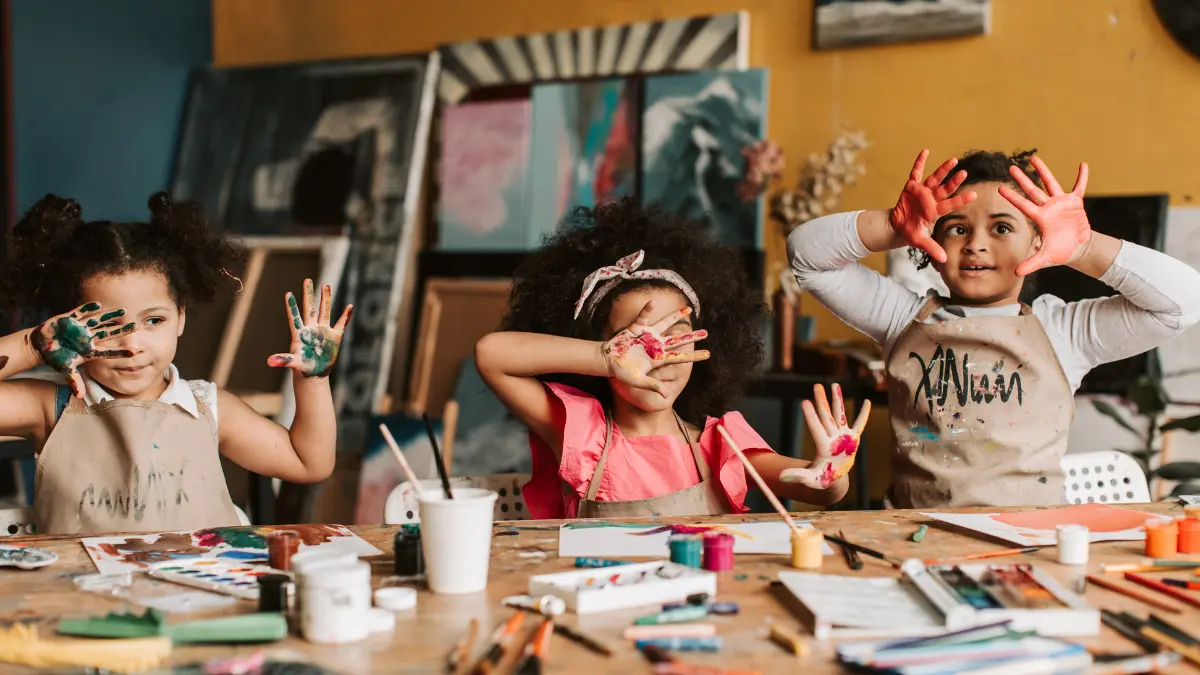
Teaching preschoolers about sustainability and recycling may sound ambitious, but it’s easier than it seems—and incredibly important. Introducing children to eco-friendly habits at a young age lays the foundation for lifelong awareness and responsible behaviour. With creative and hands-on activities, learning about recycling can be both fun and educational. In this article, we’ll explore 10 engaging recycling ideas for preschoolers that make sustainability simple and enjoyable.
Why Recycling Matters for Preschoolers
Before diving into the activities, it’s essential to understand why teaching recycling to preschoolers matters. Early exposure helps children:
- Develop an understanding of environmental responsibility.
- Learn that everyday waste can be reused creatively.
- Improve fine motor skills and coordination through craft and play.
- Build problem-solving skills by finding new uses for old items.
- Foster teamwork and social skills when participating in group projects.
By combining education with play, preschoolers start recognising that caring for the environment can be exciting and rewarding.
1. DIY Bottle Planters
Plastic bottles are one of the most common household items that can easily be recycled. To turn them into DIY planters:
- Cut the bottle in half.
- Let your preschooler decorate it with non-toxic paint, stickers, or colourful tape.
- Fill it with soil and plant easy-to-grow seeds such as basil, sunflowers, or beans.
This project introduces the concept of reusing and demonstrates how waste materials can have a second purpose. Watching plants grow teaches children patience and connects them with nature.
2. Egg Carton Crafts
Egg cartons are versatile and easy for little hands to manipulate. Preschoolers can:
- Paint the cartons to create caterpillars, insects, or flowers.
- Glue pieces together to form imaginative 3D structures.
- Use them for counting or sorting games, combining art with early numeracy skills.
By turning egg cartons into creative projects, children understand that materials do not have to be discarded immediately—they can be transformed into something entirely new.
3. Toilet Roll Binoculars
Empty toilet rolls are another simple item that can be reused for imaginative play. To make binoculars:
- Tape two toilet rolls together side by side.
- Decorate with coloured paper, markers, or stickers.
- Let your child use them to “explore” the backyard or park.
This activity demonstrates the concept of upcycling—taking something that is typically thrown away and turning it into a fun tool for play.
4. Recycled Paper Collage
Preschoolers can learn about paper recycling while enjoying art. Using old magazines, newspapers, or scrap paper:
- Tear or cut the paper into shapes.
- Create collages on cardboard or thick paper.
- Encourage children to combine colours, textures, and patterns.
This activity also helps develop fine motor skills and introduces the idea that even discarded materials have value.
5. Tin Can Drums
Empty tin cans can be transformed into musical instruments with minimal effort:
- Clean the cans thoroughly.
- Let children decorate the outside with stickers, paint, or coloured tape.
- Use wooden spoons to play rhythms and make music.
Tin can drums not only teach recycling but also encourage sensory development, rhythm awareness, and creativity. It’s a simple way to combine environmental learning with music and movement.
6. Bottle Cap Sorting Game
Bottle caps are small and colourful, making them perfect for sorting and counting activities. To create a game:
- Gather caps of different colours and sizes.
- Provide bins or trays for sorting by colour, size, or material.
- Encourage preschoolers to group and count them.
This activity is educational as well as fun. It reinforces fine motor skills, early math concepts, and recycling awareness simultaneously.
7. Recycled Puppet Theatre
Cardboard boxes can become the stage for a recycled puppet theatre. Materials needed include old boxes, scraps of fabric, and paper. Steps:
- Cut an opening in the box for the “stage”.
- Decorate the outside with paint or stickers.
- Create puppets using socks, paper, or fabric scraps.
- Let children put on short performances.
This activity not only fosters creativity and storytelling skills but also demonstrates how materials that might be discarded can have a new, exciting purpose.
8. Milk Carton Bird Feeder
Milk cartons are perfect for small outdoor projects that connect children with nature:
- Wash and cut openings in a clean milk carton.
- Fill with birdseed.
- Hang it safely in your backyard.
Watching birds visit the feeder teaches preschoolers the benefits of recycling while caring for wildlife. It also introduces concepts like responsibility and ecosystem awareness in an interactive way.
9. Plastic Lid Art
Collecting plastic lids from bottles and jars can lead to vibrant, tactile art projects:
- Arrange lids on cardboard to create mosaics or patterns.
- Use glue to secure them in place.
- Encourage preschoolers to experiment with colours and textures.
This activity is particularly effective in teaching the concept of reusing materials that are often considered waste while providing an outlet for creativity.
10. Recycling Sorting Station
A recycling station at home or in a classroom is a fantastic long-term educational tool:
- Provide separate bins for paper, plastic, and metal.
- Let children sort recyclables daily.
- Discuss why each item belongs in its respective bin.
This reinforces practical recycling habits and allows preschoolers to take ownership of environmental responsibilities from an early age.
Tips for Teaching Recycling to Preschoolers
- Make it Fun: Incorporate games, songs, and storytelling to make recycling exciting.
- Lead by Example: Children learn best by observing adults. Be consistent with recycling at home.
- Use Positive Reinforcement: Praise efforts rather than focusing on mistakes.
- Keep Activities Simple: Preschoolers have short attention spans, so small, manageable projects work best.
- Encourage Curiosity: Ask questions like “What else can we make with this?” to stimulate creative thinking.
Final Thoughts
Teaching preschoolers about sustainability through recycling ideas for preschoolers is a practical and enjoyable way to prepare them for a greener future. By turning everyday waste into creative activities, children develop essential skills, connect with nature, and learn the value of caring for the environment.
The key is consistency, creativity, and fun. Start with one or two simple projects and gradually introduce more. Over time, your preschoolers will not only learn about recycling but also develop a mindset that values sustainability—a lesson that can last a lifetime.
By combining play, creativity, and education, these 10 recycling activities make sustainability approachable, meaningful, and memorable for young learners.
FAQs
Q1. What are the best recycling projects for preschoolers?
Some of the best projects include DIY bottle planters, egg carton crafts, toilet roll binoculars, and recycled puppet theatres. These activities are simple, safe, and educational, helping children learn about sustainability while having fun.
Q2. How can preschoolers learn about recycling at home?
Parents can create a mini recycling station, engage in craft projects using recyclable materials, and involve children in sorting waste daily. Making it interactive and fun ensures preschoolers remain interested and learn effectively.
Q3. Are recycled craft activities safe for preschoolers?
Yes, as long as materials are clean, non-toxic, and age-appropriate. Avoid small items that can be a choking hazard and supervise activities closely.
Q4. Why is it important to teach recycling to preschoolers?
Early exposure to recycling instils environmental awareness and responsibility. It helps children understand the value of reusing materials, develops problem-solving skills, and encourages eco-friendly habits from a young age.
Q5. Can recycling activities improve other skills in preschoolers?
Absolutely. Besides learning sustainability, these activities enhance fine motor skills, creativity, early numeracy, teamwork, and sensory development. Craft-based projects and sorting games offer multiple learning benefits.
Also Read This: Nature First: 7 Stunning Eco-Friendly Travel Destinations
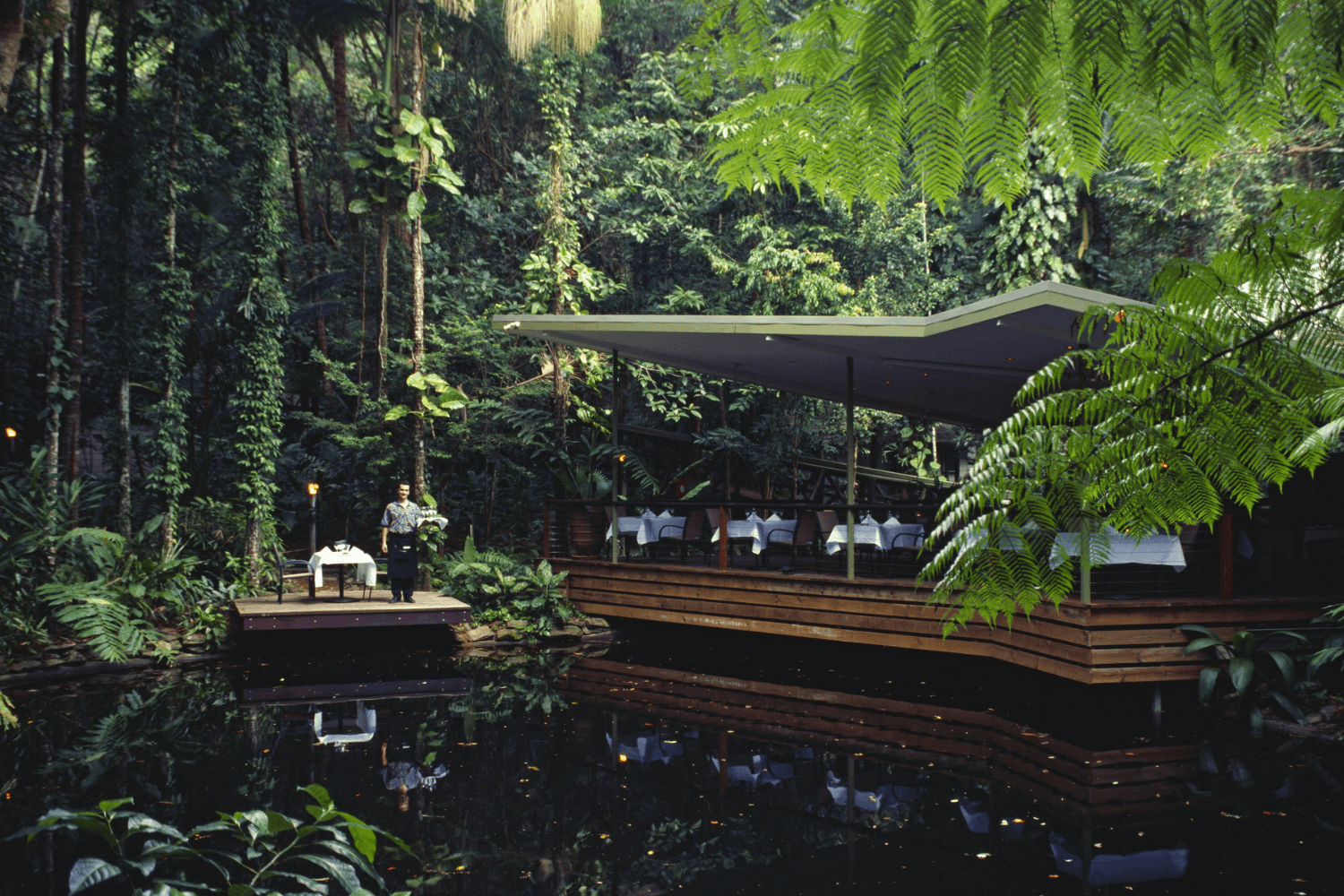
Why Eco-Friendly Travel Matters
Travelling brings joy but can leave behind waste and harm nature. Choosing eco-friendly travel helps protect our planet and cultures. It’s about making thoughtful choices like staying in solar-powered lodges or supporting local guides. Sustainable travel doesn’t mean missing out—it means connecting more deeply with the world while giving back.
When we put nature first, we create a future where travel and Earth thrive together. Let’s explore consciously and leave places better than we found them.
Sapa, Vietnam – Trekking with a Lighter Footprint
Nestled in northern Vietnam, Sapa is famous for its dramatic rice terraces and rich cultural heritage. It’s a place where nature and tradition come alive in every step of the journey.
Top Attractions:
- Stunning rice terraces and mountain views
- Guided treks with local Hmong and Dao tribes
- Traditional hill tribe villages
Local Favourites:
- Eco-lodges using solar power and local materials
- Homegrown food and handmade crafts
Why Visit?
- Support local communities directly
- Experience authentic culture and nature
- Slow travel and meaningful connections
Sapa offers a chance to trek through breathtaking landscapes while respecting local ways of life. It’s perfect for travellers who want a gentle, immersive adventure.
Tasmania, Australia – A Wild Green Escape
Tasmania is a rugged island state of Australia known for its pristine wilderness and vibrant wildlife. It’s a sanctuary for nature lovers looking to escape into the wild with care.
Top Attractions:
- Cradle Mountain and ancient rainforests
- Coastal walks and wildlife spotting (wombats, echidnas)
- Organic farm-to-table dining experiences
Local Favourites:
- Carbon-neutral lodges and off-grid cabins
- Kayaking and bushwalking tours
Why Visit?
- Pristine nature with low-impact tourism
- Friendly eco-conscious community
- Perfect for outdoor lovers seeking peace and sustainability
Tasmania is a green paradise where you can enjoy wild beauty responsibly.
Costa Rica – Nature’s Playground with Purpose
Costa Rica is a lush, tropical country known for its incredible biodiversity and strong commitment to conservation. It’s a dream destination for eco-conscious travellers.
Top Attractions:
- Zip-lining through rainforests
- Hot springs near volcanoes
- National parks with rich biodiversity
Local Favourites:
- Eco-lodges built from local materials
- Organic meals supporting reforestation projects
Why Visit?
- Runs almost entirely on renewable energy
- Strong commitment to conservation
- Adventure with a green conscience
Costa Rica combines thrilling experiences with world-class sustainability.
The Azores, Portugal – Islands of Intention
The Azores are a group of volcanic islands in the middle of the Atlantic Ocean, known for their untouched landscapes and rich marine life. This archipelago blends natural beauty with strong eco-conscious values.
Top Attractions:
- Whale watching with strict environmental guidelines
- Emerald crater lakes and geothermal springs
- Hiking scenic nature trails
Local Favourites:
- Eco-certified accommodations using solar heating
- Composting systems and locally sourced food
Why Visit?
- Committed to clean energy and responsible tourism
- Peaceful, green, and low-impact experience
- Perfect for nature lovers seeking quiet and care
The Azores offer a pure, mindful travel experience where nature is cherished.
Bhutan – Where Happiness Meets Sustainability
Bhutan, a small kingdom in the Himalayas, is famed for its Gross National Happiness and deep respect for nature. It’s a place where ancient traditions and modern eco-practices blend beautifully.
Top Attractions:
- Himalayan trekking with stunning mountain views
- Visits to monasteries and cultural festivals
- Protected forests and wildlife
Local Favourites:
- Zero-waste policies and locally guided tours
- Eco-friendly lodges built from natural materials
Why Visit?
- Carbon-negative country with limited tourism
- Sustainable tourism fees fund education and conservation
- A meaningful journey into culture and nature
Bhutan offers travellers a chance to explore with purpose and respect.
Lake Bled, Slovenia – Tranquil, Timeless, and Green
Lake Bled is a fairy-tale setting in Slovenia, famous for its turquoise lake, island church, and surrounding mountains. It’s also a shining example of eco-friendly tourism in action.
Top Attractions:
- Rowing to the iconic island church
- Walking and cycling around the lake
- Exploring nearby castles and nature parks
Local Favourites:
- Energy-efficient hotels with organic menus
- Electric boats and green mobility options
Why Visit?
- Strong waste reduction and water protection policies
- Encourages “green guests” to respect the environment
- Perfect for a peaceful, eco-conscious getaway
Lake Bled balances natural beauty and sustainability with ease.
Palawan, Philippines – Paradise with a Purpose
Palawan is often called the Philippines’ last frontier, with crystal-clear waters, dramatic limestone cliffs, and vibrant coral reefs. It’s a place where eco-tourism truly matters.
Top Attractions:
- Kayaking in El Nido’s lagoons
- Diving among colourful coral reefs in Coron
- Exploring limestone caves and beaches
Local Favourites:
- Solar-powered eco-resorts with composting toilets
- Partnerships with marine conservation groups
Why Visit?
- Protects marine life through responsible tourism
- Tours led by knowledgeable local guides
- Experience paradise while preserving it
Palawan shows how paradise can thrive when we travel mindfully.
Eco-Friendly Travel Destinations
| Destination | Best Time to Visit | Eco-Friendly Highlights | Activities to Do | Accommodation Types |
| Costa Rica | Dec-April | National parks, wildlife conservation | Hiking, zip-lining, wildlife spotting | Eco-lodges, jungle cabins |
| Iceland | June-August | Geothermal energy, zero waste initiatives | Glacier hiking, hot springs, whale watching | Eco-friendly hotels |
| New Zealand | Sept-November | Renewable energy, protected nature reserves | Kayaking, hiking, Maori cultural tours | Eco-resorts, farm stays |
| Bhutan | March-May | Carbon-negative policies, cultural preservation | Trekking, monastery visits, cultural festivals | Eco-lodges, guesthouses |
| Sweden | June-August | Sustainable cities, eco-tourism | Forest walks, cycling, archipelago exploration | Green hotels, cabins |
| Kenya | July-October | Wildlife conservancies, community projects | Safari tours, cultural visits | Eco-camps, lodges |
| Japan | April-June | Waste reduction programs, eco-friendly transport | Cherry blossom viewing, temple visits, hiking | Eco-hotels, ryokans |
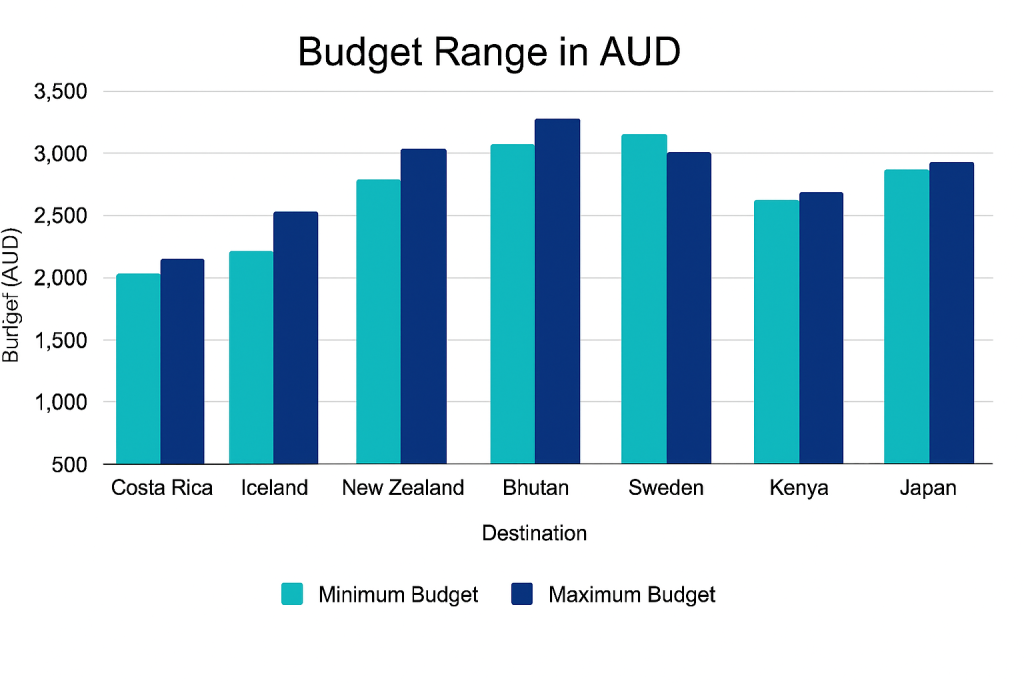
Budget Chart (Budget Range in AUD)
Travel with Purpose
Eco-friendly travel is more than a trend—it’s essential for preserving our planet and cultures. Each destination proves that sustainable tourism enriches both travellers and local communities.
By choosing responsible options and respecting nature, we help protect these beautiful places for generations to come. Small actions like supporting local guides or reducing waste truly make a difference.
As you plan your next trip, remember to travel thoughtfully and leave a positive impact. Together, we can enjoy the world while safeguarding it.
Safe and sustainable journeys!

The “It’s Probably Nothing” Plumbing Problem Experts Warn You Should Never Ignore

Why Dependable Taxi Services Still Matter in a Fast-Moving Digital World

Why Reliable Local Transport Matters More Than Most People Realise

Melbourne’s Best Seaside Dining: 5 Must-Try Restaurants by the Water

Support That Transforms: How SIL Providers Help You Achieve Your Full Potential

Plant-Powered Plates: Top 5 Vegan & Vegetarian Restaurants on the Gold Coast
-
 Food1 year ago
Melbourne’s Best Seaside Dining: 5 Must-Try Restaurants by the Water
-
 Healthcare1 year ago
Support That Transforms: How SIL Providers Help You Achieve Your Full Potential
-
 Food1 year ago
Plant-Powered Plates: Top 5 Vegan & Vegetarian Restaurants on the Gold Coast
-

 Healthcare1 year ago
Comprehensive Oral Health Solutions at a Leading Dental Clinic: Quality Care for Every Stage of Life
-

 Food1 year ago
The Allergy You Can’t See: How to Detect and Manage Silent Food Reactions
-

 Food1 year ago
Balance Your Plate, Boost Your Mood: Beginner’s Guide to Eating Well
-
 Healthcare1 year ago
Looking to Enhance Your Child’s Skills? How OT for Kids Promotes Personal Development
-

 Healthcare1 year ago
Improving Your Everyday Life: The Incredible Benefits of Working with an Occupational Therapist